Luxury Vinyl Plank Flooring vs Laminate: Complete Comparison Guide for 2026
If you’re shopping for new flooring, you’ve probably encountered two popular options that look remarkably similar: luxury vinyl plank (LVP) and laminate. Both offer the beautiful appearance of hardwood at a fraction of the cost, but they’re fundamentally different products with distinct strengths and weaknesses.
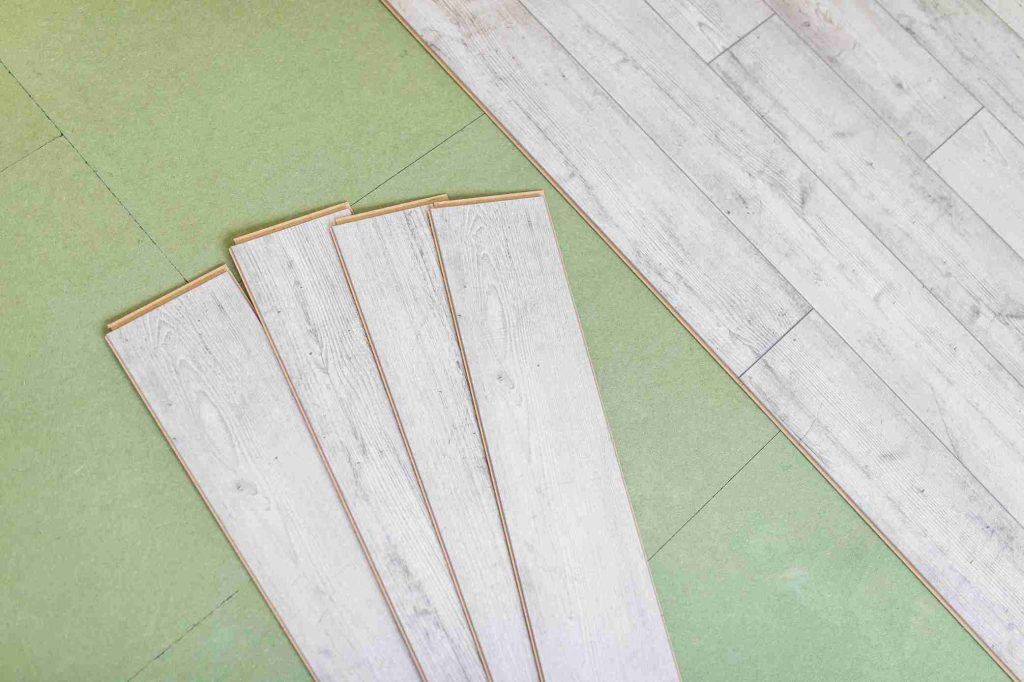
Quick Answer: Luxury vinyl plank (LVP) is waterproof, more durable, and better for moisture-prone areas like kitchens, bathrooms, and basements, costing $3–$12 per square foot installed. Laminate offers a more realistic wood look, is warmer underfoot, and costs slightly less ($2–$10 per square foot installed), but cannot tolerate moisture and may chip or fade over time .
Cost Comparison at a Glance
| Flooring Type | Material Cost (per sq ft) | Installed Cost (per sq ft) | Typical Project Cost (500 sq ft) |
|---|---|---|---|
| Luxury Vinyl Plank (LVP) | $2 – $7 | $4 – $12 | $2,000 – $6,000 |
| Laminate | $1 – $5 | $3 – $10 | $1,500 – $5,000 |
| Hardwood (comparison) | $5 – $15 | $8 – $25 | $4,000 – $12,500 |
Detailed Comparison: LVP vs. Laminate
| Factor | Luxury Vinyl Plank (LVP) | Laminate |
|---|---|---|
| Water Resistance | 100% waterproof | Poor to moderate (water damages core) |
| Durability | Excellent (scratch, dent, stain resistant) | Good (scratch resistant, but can chip) |
| Appearance | Good to excellent (embossed textures) | Excellent (most realistic wood looks) |
| Comfort | Cooler, can be hard | Warmer, softer underfoot |
| Installation | Easy (click-lock or glue-down) | Easy (click-lock floating floor) |
| Maintenance | Very easy (damp mop) | Easy (dry or slightly damp mop only) |
| Repairability | Replace individual planks | Replace individual planks |
| Lifespan | 15–25 years | 10–20 years |
| Resale Value | Good (waterproof advantage) | Moderate |
| Eco-Friendliness | Synthetic (PVC-based) | Wood-based (HDF core) |
Luxury Vinyl Plank (LVP): The Waterproof Champion
Luxury vinyl plank has revolutionized the flooring industry. Unlike old sheet vinyl, modern LVP is a rigid or semi-rigid plank that mimics wood with stunning realism. It’s completely waterproof, making it ideal for every room in the house .
What Is LVP Made Of?
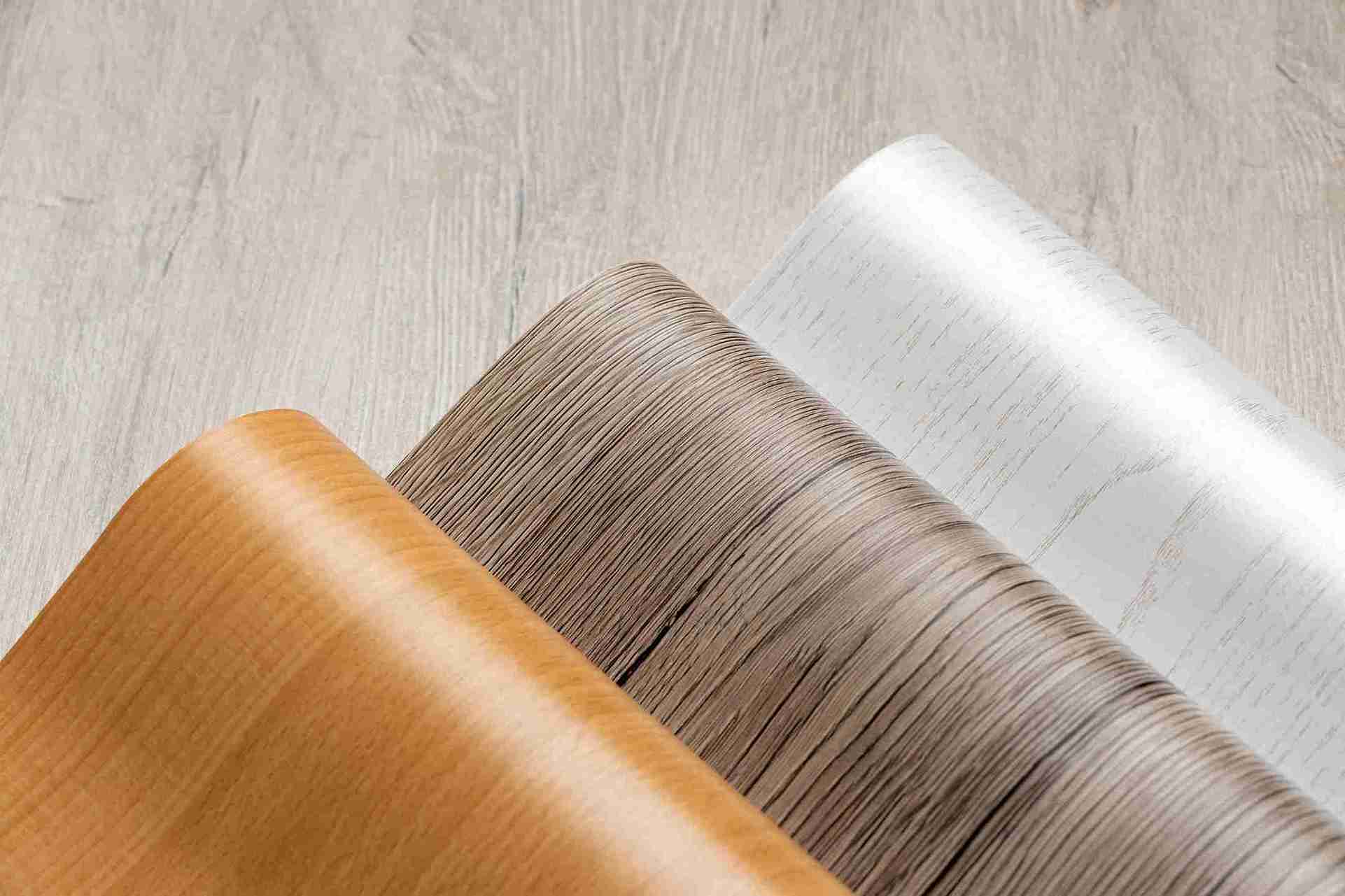
LVP consists of multiple layers :
- Wear layer: Clear top coat that protects against scratches, stains, and wear (thicker = more durable)
- Printed design layer: High-definition image of wood, stone, or tile
- Waterproof core: Rigid core (WPC or SPC) that provides stability and waterproofing
- Attached underlayment: Often includes foam backing for sound absorption
Types of LVP Cores
| Core Type | Full Name | Thickness | Stability | Best For |
|---|---|---|---|---|
| WPC | Wood Plastic Composite | Thicker (6–12mm) | Very stable, softer underfoot | Residential, comfort priority |
| SPC | Stone Plastic Composite | Thinner (4–8mm) | Extremely rigid, harder | Commercial, heavy traffic |
| Rigid Core | Generic term | Varies | Good balance | Most residential applications |
LVP Pricing by Quality Tier
| Quality Level | Wear Layer | Price per sq ft (materials) | Lifespan | Best For |
|---|---|---|---|---|
| Budget | 6–12 mil | $2 – $3 | 10–15 years | Rental properties, low traffic |
| Mid-Range | 12–20 mil | $3 – $5 | 15–20 years | Most homes, family living |
| Premium | 20–30+ mil | $5 – $7+ | 20–30 years | High-traffic areas, luxury homes |
LVP Pros and Cons
✅ Pros:
- 100% waterproof – Install in bathrooms, kitchens, basements without worry
- Extremely durable – Resists scratches, dents, and stains
- Pet-friendly – Withstands claws and accidents
- Comfortable – Warmer and softer than tile or stone
- Easy installation – Most products use click-lock systems
- Quiet – Many include attached underlayment
- Low maintenance – Sweep and damp mop only
❌ Cons:
- Can feel synthetic – Despite improvements, some still look “plastic”
- VOCs possible – Some products emit volatile organic compounds (look for FloorScore certification)
- Not biodegradable – Made from PVC, difficult to recycle
- Can fade – Prolonged direct sunlight may cause fading
- Hard surface – Not as comfortable as carpet or cork
Best Applications for LVP
| Room | Suitability | Why |
|---|---|---|
| Kitchen | ⭐⭐⭐⭐⭐ Excellent | Waterproof, easy to clean |
| Bathroom | ⭐⭐⭐⭐⭐ Excellent | 100% waterproof |
| Basement | ⭐⭐⭐⭐⭐ Excellent | Withstands moisture and humidity |
| Entry/Mudroom | ⭐⭐⭐⭐⭐ Excellent | Durable, easy to clean |
| Living Room | ⭐⭐⭐⭐ Very Good | Comfortable, stylish |
| Bedroom | ⭐⭐⭐⭐ Very Good | Good option, but colder than carpet |
Laminate Flooring: The Wood-Look Champion
Laminate flooring has been a popular hardwood alternative for decades. Modern laminate offers incredibly realistic wood grains and textures at budget-friendly prices. However, its Achilles’ heel has always been water .
What Is Laminate Made Of?
Laminate consists of four layers :
- Wear layer: Clear melamine or aluminum oxide coating for scratch resistance
- Design layer: High-resolution photographic image of wood or stone
- Core layer: High-density fiberboard (HDF) made from wood fibers
- Backing layer: Moisture barrier and stability layer
Laminate Pricing by Quality Tier
| Quality Level | AC Rating* | Thickness | Price per sq ft | Best For |
|---|---|---|---|---|
| Budget | AC1–AC2 | 6–8mm | $1 – $2 | Low-traffic areas, rentals |
| Mid-Range | AC3 | 8–10mm | $2 – $4 | Most homes, family living |
| Premium | AC4–AC5 | 10–12mm+ | $4 – $5+ | High-traffic, commercial |
*AC (Abrasion Class) rating indicates durability: AC1 light residential, AC2 general residential, AC3 heavy residential, AC4 light commercial, AC5 heavy commercial
Laminate Pros and Cons
✅ Pros:
- Most realistic wood looks – High-definition printing captures grain detail
- Scratch resistant – AC3+ ratings resist pets and daily wear
- Budget-friendly – Lowest cost for wood-look flooring
- Easy installation – Click-lock floating floors
- Warm underfoot – Feels warmer than vinyl or tile
- Quiet – Works well with underlayment
- Eco-friendly options – Some made from recycled wood fibers
❌ Cons:
- Water damage risk – Water causes swelling and warping
- Cannot refinish – Once worn, must be replaced
- Can chip – Edges may chip if heavy objects dropped
- Slippery when wet – Smooth surface can be hazardous
- Echo – Can sound hollow without good underlayment
Best Applications for Laminate
| Room | Suitability | Why |
|---|---|---|
| Living Room | ⭐⭐⭐⭐⭐ Excellent | Beautiful, comfortable, affordable |
| Bedroom | ⭐⭐⭐⭐⭐ Excellent | Warm underfoot, stylish |
| Dining Room | ⭐⭐⭐⭐ Very Good | Good if spills cleaned immediately |
| Home Office | ⭐⭐⭐⭐ Very Good | Durable, professional look |
| Kitchen | ⭐⭐ Caution | Spills must be wiped immediately |
| Bathroom | ❌ Not recommended | Too much moisture risk |
| Basement | ❌ Not recommended | Humidity causes swelling |
Head-to-Head Comparison: Which Is Better?
Water Resistance: LVP Wins
LVP: Completely waterproof. You can install it in bathrooms, kitchens, and basements without worry. Standing water won’t damage it .
Laminate: Water is its enemy. Even “waterproof” laminates have limitations—prolonged moisture or standing water will eventually damage the HDF core. Spills must be wiped immediately .
Winner: LVP (by a landslide)
Durability: LVP Wins
LVP: Highly resistant to scratches, dents, and stains. The wear layer protects against daily abuse. Great for pets, kids, and high-traffic areas .
Laminate: Good scratch resistance (AC3+), but can chip if heavy objects are dropped. The surface is durable, but the core can swell if moisture penetrates .
Winner: LVP (more forgiving of real-life abuse)
Appearance: Laminate Wins (Slightly)
LVP: Modern LVP looks very good, with embossed textures that mimic wood grain. However, some products still look slightly synthetic under close inspection.
Laminate: High-definition printing creates the most realistic wood looks. Deep embossing matches grain patterns perfectly. At a glance, premium laminate can be mistaken for real hardwood .
Winner: Laminate (for pure realism)
Comfort: Laminate Wins
LVP: Feels harder and cooler underfoot. While warmer than tile, it’s not as comfortable as laminate. SPC core especially can feel quite hard.
Laminate: Warmer and slightly softer underfoot. The wood-based core provides better insulation and a more natural feel .
Winner: Laminate (for barefoot comfort)
Installation: Tie
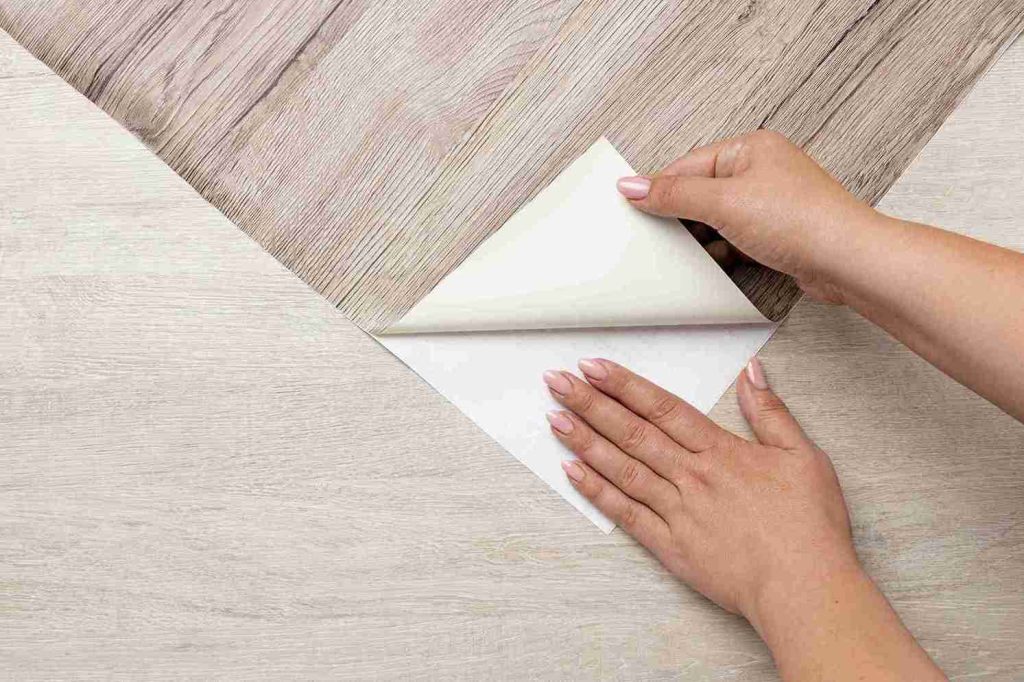
Both LVP and laminate typically use click-lock floating floor systems that DIYers can install. Laminate may be slightly more forgiving of subfloor imperfections, while LVP (especially SPC) requires a very flat subfloor .
Winner: Tie (both DIY-friendly)
Maintenance: LVP Wins
LVP: Sweep or vacuum, then damp mop with vinyl cleaner. Completely waterproof, so you can use wet cleaning methods safely .
Laminate: Dry methods only—sweep, vacuum, or use a barely damp mop. Excess water will damage the planks. No waxing or polishing needed .
Winner: LVP (easier, more flexible cleaning)
Cost: Laminate Wins (Slightly)
LVP: $2–$7 per sq ft materials, $4–$12 installed
Laminate: $1–$5 per sq ft materials, $3–$10 installed
Laminate has a slight edge in upfront cost, especially for budget-conscious projects .
Winner: Laminate (for initial investment)
Lifespan: LVP Wins
LVP: 15–25 years with proper care. Premium products can last 25–30+ years.
Laminate: 10–20 years typically. Cannot be refinished, so replacement is the only option when worn .
Winner: LVP (longer service life)
Resale Value: LVP Wins
LVP: The waterproof advantage appeals to homebuyers, especially for basements and bathrooms. Many buyers specifically seek LVP.
Laminate: Still a good selling point, but some buyers may view it as a “budget” option compared to hardwood or LVP .
Winner: LVP (better perception among buyers)
Which Rooms Need Which Floor?
| Room | Best Choice | Why |
|---|---|---|
| Kitchen | LVP | Waterproof, easy to clean, durable |
| Bathroom | LVP | 100% waterproof only |
| Basement | LVP | Withstands moisture and humidity |
| Mudroom/Entry | LVP | Durable, easy to clean |
| Living Room | Either | Both work well; choose based on priorities |
| Bedroom | Either | Both work; laminate feels warmer |
| Dining Room | Either | Both fine; laminate better for formal look |
| Home Office | Either | Both durable enough |
Top Brands Comparison (2026)
Luxury Vinyl Plank Brands
| Brand | Product Line | Price Tier | Key Features |
|---|---|---|---|
| Shaw Floorté | Floorté | Premium | COREtec technology, waterproof, attached underlayment |
| Mohawk | SolidTech | Mid-High | Unilin click system, scratch-resistant |
| Armstrong | Pryzm | Mid-Range | Rigid core, easy installation |
| Mannington | Adura | Mid-High | HydroLoc waterproof, realistic visuals |
| CoreTec | CoreTec Plus | Premium | Industry pioneer, high-end designs |
| LifeProof | LifeProof | Mid-Range | Home Depot exclusive, good value |
| SmartCore | SmartCore | Mid-Range | Lowe’s exclusive, rigid core |
Laminate Brands
| Brand | Product Line | AC Rating | Key Features |
|---|---|---|---|
| Pergo | TimberCraft | AC4–AC5 | Original laminate inventor, waterproof options |
| Mohawk | RevWood | AC4–AC5 | Waterproof laminate technology |
| Shaw | Floorté Laminate | AC3–AC4 | Repel water-resistant technology |
| Armstrong | Luxe Fastak | AC3–AC4 | Authentic visuals, DIY-friendly |
| Tarkett | ProGen | AC3–AC4 | Affordable, durable |
| TrafficMaster | Allure | AC3 | Home Depot, budget option |
Installation Cost Comparison
LVP Installation Costs
| Installation Type | Cost per sq ft | Notes |
|---|---|---|
| DIY floating | $0 | Requires tools and time |
| Professional floating | $1.50 – $3.00 | Most common for residential |
| Professional glue-down | $2.50 – $4.00 | For commercial or specific products |
| Subfloor preparation | $1 – $3 | If needed (leveling, repairs) |
Laminate Installation Costs
| Installation Type | Cost per sq ft | Notes |
|---|---|---|
| DIY floating | $0 | Very DIY-friendly |
| Professional floating | $1.50 – $3.00 | Standard installation |
| Underlayment | $0.50 – $1.00 | Often separate cost |
| Subfloor preparation | $1 – $3 | If needed |
Common Questions
Can you install LVP in a bathroom?
Yes! LVP is 100% waterproof and perfect for bathrooms. Choose products with waterproof ratings and ensure proper installation around fixtures .
Is laminate still good for kitchens?
With caution. If you choose laminate, use “waterproof” rated products and wipe spills immediately. However, LVP is the safer choice for kitchens .
Which is more durable for pets?
LVP wins for pet owners. It’s scratch-resistant, waterproof (for accidents), and easy to clean. Laminate can work with AC4+ ratings but risks water damage .
Can you put LVP over tile?
Yes, if the tile is in good condition and flat. LVP can float over existing tile, saving removal costs .
Which is warmer?
Laminate feels warmer underfoot because wood fibers provide better insulation. LVP with attached cork backing can improve warmth .
Do both need underlayment?
LVP often has attached underlayment. Laminate usually requires separate underlayment for moisture protection and sound absorption .
Can either be refinished?
No. Both LVP and laminate have printed designs—they cannot be sanded or refinished like hardwood. When worn, they must be replaced .
Environmental Considerations
LVP Environmental Impact
- Made from PVC (polyvinyl chloride), a plastic
- Manufacturing releases toxins
- Not biodegradable
- Look for FloorScore certification for indoor air quality
- Some brands offer recycling programs
Laminate Environmental Impact
- Made from wood fibers (HDF core)
- Uses resins and melamine
- Some brands use recycled wood
- More biodegradable than LVP
- Look for CARB2 compliance for formaldehyde emissions
Green choice: Laminate has a slight edge due to renewable wood content, but both have environmental trade-offs .
Decision Guide: Which Should You Choose?
Choose Luxury Vinyl Plank (LVP) If:
✅ You have moisture concerns (basement, bathroom, kitchen)
✅ You have pets (accidents, claws)
✅ You want worry-free waterproof flooring
✅ You have children (spills, messes)
✅ You want easy, wet-clean maintenance
✅ You’re installing in any room with plumbing
Choose Laminate If:
✅ You want the most realistic wood look
✅ You’re on a tight budget
✅ You’re installing in dry areas only
✅ You prefer warmer, softer feel underfoot
✅ You want eco-friendlier wood-based product
✅ You don’t need waterproofing
Final Verdict
After comparing every major factor, here’s our recommendation for different scenarios:
| Your Priority | Winner | Why |
|---|---|---|
| Waterproofing | LVP | 100% waterproof vs. laminate’s vulnerability |
| Durability | LVP | More forgiving of real-life abuse |
| Appearance | Laminate | Slightly more realistic wood looks |
| Comfort | Laminate | Warmer, softer underfoot |
| Maintenance | LVP | Easier cleaning, no water worries |
| Upfront Cost | Laminate | Slightly cheaper materials |
| Long-term Value | LVP | Longer lifespan, better resale |
| Pets | LVP | Waterproof, scratch-resistant |
| DIY Installation | Tie | Both DIY-friendly |
| Eco-Friendly | Laminate | Wood-based materials |
The Bottom Line
For most homeowners in 2026, luxury vinyl plank (LVP) is the smarter choice for all but the driest applications. Its waterproof nature eliminates the single biggest risk of laminate, and modern printing technology has closed the appearance gap significantly.
However, laminate remains an excellent option for:
- Formal living and dining rooms (no moisture risk)
- Bedrooms (where comfort matters)
- Budget-conscious projects
- Homeowners who prioritize ultra-realistic wood looks
The best flooring for your home depends on your specific needs, but with this guide, you’re equipped to make an informed decision that you’ll enjoy for years to come.