Complete Guide to New Roof Replacement Costs in the United States (2026 State-by-State Breakdown)
How Much Does a New Roof Cost in 2026?
If you’re a homeowner asking “How much does a new roof cost in my state?” you’re facing one of the most significant home improvement investments you’ll ever make. This comprehensive guide provides state-specific pricing, material breakdowns, and money-saving strategies for your roof replacement project.
Quick National Average: A new roof in the United States costs between $5,700 and $12,500 for asphalt shingles on a typical 2,000-square-foot home. Premium materials like metal or tile can range from $15,000 to $45,000+ .
Average Roof Replacement Costs by Material (National)
| Roofing Material | Average Cost (Per Sq Ft) | Average Cost (2,000 Sq Ft Home) | Lifespan | Best For |
|---|---|---|---|---|
| Asphalt Shingles (3-tab) | $3.50 – $5.50 | $7,000 – $11,000 | 15-20 years | Budget-conscious homeowners |
| Architectural Asphalt | $4.50 – $7.00 | $9,000 – $14,000 | 25-30 years | Best value & curb appeal |
| Metal (Standing Seam) | $8.00 – $16.00 | $16,000 – $32,000 | 40-70 years | Long-term investment |
| Clay/Concrete Tile | $10.00 – $20.00 | $20,000 – $40,000 | 50-100 years | Mediterranean/Spanish style |
| Slate | $15.00 – $30.00 | $30,000 – $60,000 | 75-200 years | Historic/upscale homes |
| Wood Shakes | $7.00 – $12.00 | $14,000 – $24,000 | 25-30 years | Rustic/natural aesthetics |
State-by-State Roof Replacement Cost Estimates (2026)
Roofing costs vary dramatically across the United States due to labor rates, material availability, building codes, and climate requirements. Here’s your state-specific breakdown:
Northeast Region
| State | Average Cost (Asphalt) | Average Cost (Metal) | Regional Factors |
|---|---|---|---|
| New York | $8,500 – $15,500 | $18,000 – $35,000 | High labor costs, strict building codes |
| Massachusetts | $9,000 – $16,000 | $19,000 – $36,000 | Snow load requirements, historic district restrictions |
| Pennsylvania | $7,500 – $13,500 | $16,000 – $30,000 | Moderate costs, varied climate zones |
| New Jersey | $8,000 – $14,500 | $17,000 – $32,000 | Hurricane ties required, high population density |
| Connecticut | $8,500 – $15,000 | $18,000 – $34,000 | Ice dam prevention required |
| New Hampshire | $7,800 – $14,000 | $16,500 – $31,000 | Snow retention systems often needed |
| Vermont | $7,500 – $13,800 | $16,000 – $30,500 | Cold climate requirements |
| Maine | $7,200 – $13,500 | $15,500 – $30,000 | Heavy snow loads, shorter installation season |
South Region
| State | Average Cost (Asphalt) | Average Cost (Metal) | Regional Factors |
|---|---|---|---|
| Texas | $6,500 – $12,500 | $14,000 – $28,000 | Hail resistance important, competitive market |
| Florida | $7,000 – $14,000 | $15,000 – $32,000 | Hurricane codes, wind mitigation inspections |
| Georgia | $6,800 – $12,800 | $14,500 – $28,500 | Moderate climate, growing market |
| North Carolina | $6,500 – $12,500 | $14,000 – $28,000 | Varied climate coast to mountains |
| South Carolina | $6,200 – $12,000 | $13,500 – $27,000 | Hurricane concerns coastal areas |
| Virginia | $7,000 – $13,000 | $15,000 – $29,000 | Mixed climate requirements |
| Tennessee | $6,000 – $11,500 | $13,000 – $26,000 | Lower labor costs |
| Louisiana | $6,800 – $13,500 | $14,500 – $30,000 | Hurricane codes, high humidity |
| Alabama | $6,200 – $11,800 | $13,500 – $27,000 | Storm season considerations |
| Mississippi | $6,000 – $11,500 | $13,000 – $26,500 | Gulf Coast wind requirements |
| Arkansas | $5,800 – $11,000 | $12,500 – $25,000 | Competitive pricing |
| Oklahoma | $6,200 – $12,200 | $13,500 – $27,500 | Hail damage common, insurance claims frequent |
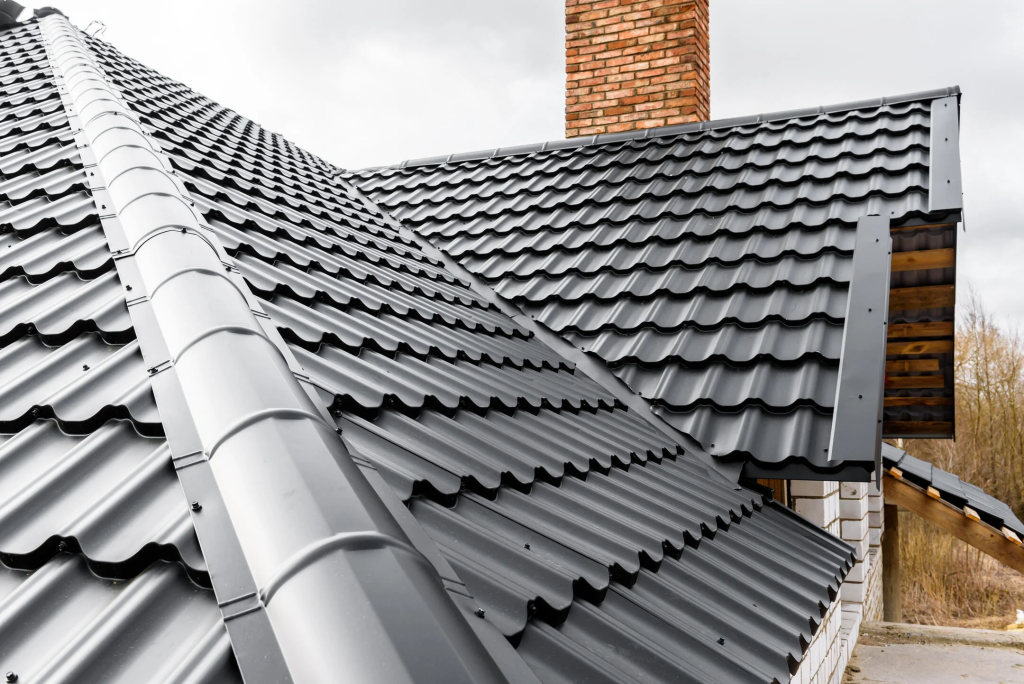
Metal roofing is increasingly popular in southern states for its durability and energy efficiency
Midwest Region
| State | Average Cost (Asphalt) | Average Cost (Metal) | Regional Factors |
|---|---|---|---|
| Illinois | $7,200 – $13,500 | $15,500 – $30,000 | Snow loads, Chicago premium pricing |
| Ohio | $6,500 – $12,000 | $14,000 – $27,000 | Moderate costs, competitive market |
| Michigan | $7,000 – $13,000 | $15,000 – $29,000 | Snow loads, shorter installation window |
| Indiana | $6,200 – $11,800 | $13,500 – $26,500 | Agricultural areas lower cost |
| Wisconsin | $7,200 – $13,200 | $15,500 – $29,500 | Heavy snow, ice dam prevention |
| Minnesota | $7,500 – $14,000 | $16,000 – $31,000 | Extreme cold, ice dam requirements |
| Iowa | $6,200 – $11,500 | $13,500 – $26,000 | Hail alley considerations |
| Missouri | $6,000 – $11,500 | $13,000 – $26,000 | Storm prone areas |
| Kansas | $6,200 – $12,000 | $13,500 – $27,000 | Hail resistance critical |
| Nebraska | $6,000 – $11,500 | $13,000 – $26,000 | Competitive farm country pricing |
| North Dakota | $6,800 – $13,000 | $14,500 – $28,500 | Extreme cold, heavy snow |
| South Dakota | $6,500 – $12,500 | $14,000 – $27,500 | Harsh winters |
West Region
| State | Average Cost (Asphalt) | Average Cost (Metal) | Regional Factors |
|---|---|---|---|
| California | $8,500 – $18,000 | $18,000 – $40,000 | High labor, fire-resistant materials required |
| Washington | $8,000 – $15,500 | $17,000 – $35,000 | Rain screens, moss prevention |
| Oregon | $7,800 – $15,000 | $16,500 – $34,000 | Similar to Washington |
| Colorado | $7,500 – $14,500 | $16,000 – $33,000 | Hail resistance, high altitude UV |
| Arizona | $7,000 – $14,000 | $15,000 – $32,000 | Heat reflection, tile popular |
| Nevada | $7,200 – $14,500 | $15,500 – $33,000 | Heat reflection requirements |
| Utah | $7,000 – $13,500 | $15,000 – $30,000 | Snow in mountains |
| New Mexico | $6,800 – $13,000 | $14,500 – $29,000 | High desert conditions |
| Idaho | $6,500 – $12,500 | $14,000 – $28,000 | Snow loads in mountains |
| Montana | $7,000 – $13,500 | $15,000 – $30,000 | Heavy snow, short season |
| Wyoming | $6,800 – $13,200 | $14,500 – $29,500 | Wind considerations |
| Alaska | $9,000 – $20,000 | $20,000 – $45,000 | Extreme conditions, remote locations |
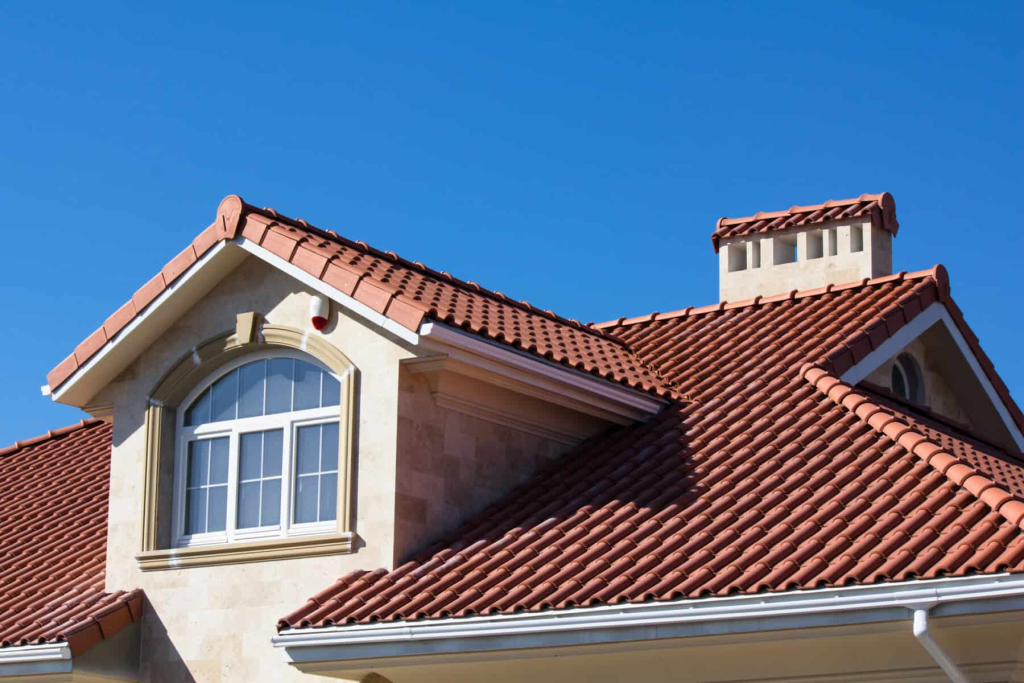
Clay and concrete tiles are popular in southwestern states for their durability and heat reflection
Factors That Determine Your Roof Replacement Cost
1. Roof Size and Complexity
Roofers measure roofs in “squares”—one square equals 100 square feet. A typical 2,000-square-foot home has about 20-25 squares of roof area, depending on pitch and overhangs.
Complexity factors that increase cost:
- Steep pitch (over 7:12 requires safety equipment)
- Multiple valleys, dormers, and skylights
- Chimneys and plumbing vents requiring flashing
- High number of penetrations
- Multiple stories requiring scaffolding
2. Tear-Off vs. Overlay
| Option | Cost Impact | Pros | Cons |
|---|---|---|---|
| Complete Tear-Off | +$1,000 – $3,000 | Inspect decking, proper installation, longer life | Higher cost, more waste |
| Overlay (2nd layer) | Lower upfront | Faster, cheaper initially | Can’t inspect deck, shorter life, may void warranty |
Most building codes now limit overlays to one additional layer, and many manufacturers require complete tear-offs for warranty coverage .
3. Decking Replacement
If your roof sheathing (plywood or OSB) shows rot or damage, replacement adds $1.50 – $3.00 per square foot . In older homes, 10-30% of decking often needs replacement during reroofing.
4. Underlayment Choices
Modern underlayment protects your home during installation and adds longevity:
- Standard felt paper: $0.50 – $1.00 per sq ft
- Synthetic underlayment: $1.00 – $2.00 per sq ft (better tear resistance, UV protection)
- Ice and water shield: $2.00 – $4.00 per sq ft (required in valleys, eaves in cold climates)
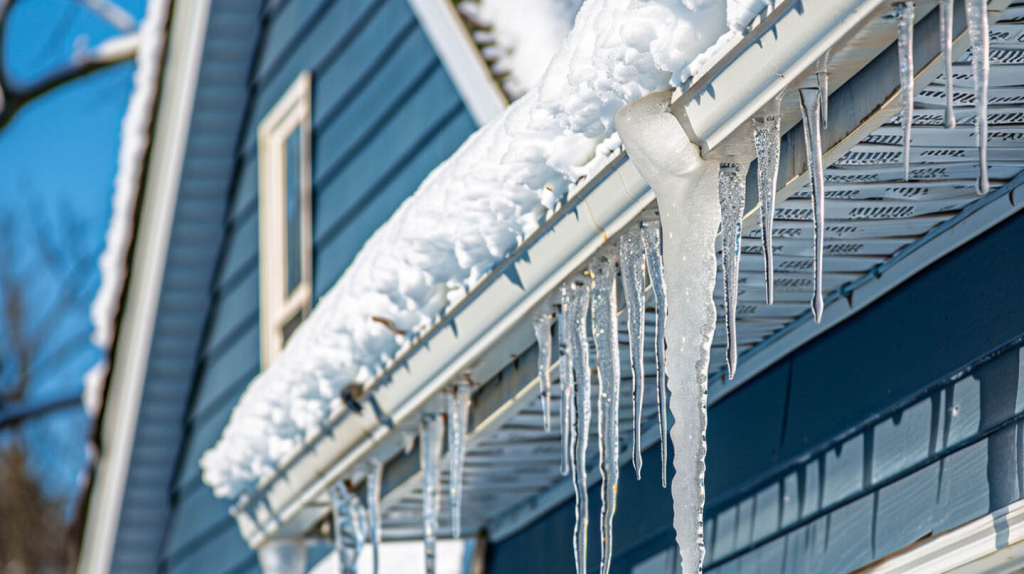
Ice and water shield is essential in northern states to prevent ice dam damage
Signs You Need a New Roof: When to Replace vs. Repair
Immediate Replacement Required If:
- Daylight visible through roof boards
- Curling or buckling shingles with granule loss
- Multiple leaks during rain
- Sagging roof deck indicating structural issues
- Chimney flashing damage widespread
- Age exceeds 20-25 years for asphalt
Repair May Suffice For:
- Isolated leaks around vents or chimneys
- A few missing shingles after storms
- Small patches of granule loss
- Minor flashing damage
- Localized storm damage under 10% of roof
How to Save Money on Your Roof Replacement
1. Time Your Installation Strategically
Spring and fall offer ideal weather, but scheduling in late fall or winter (where weather permits) can save 10-15% as demand drops. In northern states, this may not be possible.
2. Insurance Claims and Deductibles
If your roof has storm damage:
- Document everything with photos
- Get multiple contractor estimates
- Understand your policy’s actual cash value vs. replacement cost
- Check for matching laws in your state (insurers may need to match undamaged sections)
3. Tax Credits and Insurance Discounts
- Energy-efficient roofs (metal, cool roofs) may qualify for federal tax credits up to $500
- Many insurers offer discounts of 5-20% for impact-resistant shingles (Class 4 rating)
- Solar-ready roofs may qualify for additional incentives
4. Choose Materials Wisely
| Material | Cost per Sq Ft | Annual Maintenance | Insurance Impact |
|---|---|---|---|
| 3-tab Asphalt | $3.50 – $4.50 | Minimal | No discount |
| Architectural | $4.50 – $6.50 | Minimal | Possible discount |
| Impact-Resistant | $6.00 – $8.00 | Minimal | 10-20% discount |
| Metal | $8.00 – $16.00 | Very low | 15-25% discount |
| Tile | $10.00 – $20.00 | Low | 10-15% discount |
How to Choose a Roofing Contractor
Essential Credentials
- State license where required
- General liability insurance (minimum $1 million)
- Workers’ compensation insurance
- Manufacturer certification (GAF Master Elite, CertainTeed SELECT, Owens Corning Preferred)
- Local references (5+ years in business)

Always verify credentials before signing a roofing contract
Red Flags to Avoid
- Storm chasers (out-of-state contractors after storms)
- High-pressure sales tactics (“today-only pricing”)
- Requests for large upfront payments (over 10-20%)
- No physical address in your state
- Refusal to provide proof of insurance
Roof Replacement Process: What to Expect
Day 1: Preparation and Tear-Off
- Crew arrives early with dump trailer
- Protect landscaping, AC units, and decks
- Complete tear-off of old roofing
- Inspect and replace damaged decking
Day 2-3: Underlayment and Installation
- Install ice and water shield in vulnerable areas
- Apply synthetic underlayment
- Install new flashing around penetrations
- Begin shingle or material installation
Day 4: Finishing and Cleanup
- Complete ridge vent and cap installation
- Magnetic sweep for nails and debris
- Final cleanup and inspection
- Walk-through with homeowner
Return on Investment: Is a New Roof Worth It?
Resale Value
According to the Remodeling Cost vs. Value Report, asphalt roof replacement recoups approximately 60-70% of costs at resale. However, a new roof is often a non-negotiable requirement for home sales—homes with old roofs sit on the market longer .
Energy Savings
Cool roofs and proper attic ventilation can reduce cooling costs by 10-30% in warm climates. Metal roofs with reflective coatings offer the highest energy savings .
Peace of Mind
Beyond dollars, a new roof prevents:
- Interior water damage
- Mold and mildew growth
- Structural deterioration
- Pest infestations
Frequently Asked Questions
How long does a roof replacement take?
Most residential roofs take 2-5 days, depending on size, complexity, and weather.
Can I stay in my home during replacement?
Yes, but expect significant noise and vibration. Consider staying elsewhere if you work from home or have young children.
What affects roofing prices most in my state?
Local labor rates dominate costs, followed by material availability and code requirements. Coastal states pay more for wind resistance; northern states pay more for snow loads.
How do I know if my insurance will cover roof replacement?
If damage results from a covered peril (storm, hail, fire), insurance may pay minus your deductible. Wear and tear is never covered.
What’s the best roofing material for my climate?
- Cold climates: Architectural shingles, metal with snow guards
- Hot climates: Tile, metal with reflective coatings
- Hurricane zones: Metal, tile with hurricane ties
- Hail-prone areas: Impact-resistant shingles, metal
Ready to Get Started?
Now that you understand roof replacement costs in your state, you’re ready to:
- Get 3-5 local quotes from licensed contractors
- Verify insurance and credentials before signing
- Check manufacturer warranties (30-50 year materials, 5-25 year labor)
- Understand payment terms (typical: 10% down, 50% at start, 40% upon completion)
- Document everything for warranty and insurance purposes
Remember: The lowest bid isn’t always the best value. Quality installation by certified professionals protects your home’s most important defensive layer for decades to come.
*Last updated: February 2026. All pricing reflects current market conditions in the United States and includes materials, labor, tear-off, and basic disposal. Prices vary by specific location within states, roof accessibility, and seasonal demand. Always obtain written, itemized quotes for your specific project.*