Complete Guide to Walk-in Tub Prices with Installation in the United States (2026)
How Much Does a Walk-in Tub Cost Installed in 2026?
If you or a loved one are considering a walk-in tub to age in place safely, you’re likely wondering about the total investment. Walk-in tubs are a significant home modification, but they provide invaluable peace of mind and independence.
Quick Answer: The average cost of a walk-in tub with professional installation in the United States ranges from $3,500 to $15,000+, with most homeowners paying between $5,000 and $8,000. High-end models with advanced hydrotherapy, air jets, and rapid drain systems can exceed $20,000 installed.
National Average Cost Breakdown
| Component | Cost Range |
|---|---|
| Basic walk-in tub (soaker only) | $1,500 – $3,000 |
| Standard tub with air jets | $3,000 – $5,000 |
| Premium tub with whirlpool & air jets | $5,000 – $8,000 |
| Luxury tub (chromotherapy, heated surfaces, rapid drain) | $8,000 – $15,000+ |
| Professional installation | $1,500 – $4,000 |
| Optional bathroom modifications | $1,000 – $10,000+ |
| Total installed cost | $3,500 – $20,000+ |
Factors That Determine Your Walk-in Tub Cost
1. Tub Type and Features
Walk-in tubs come in various configurations, each affecting price:
- Soaker tubs – Basic model with no jets, simply fills and drains. Ideal for those who just need safe entry. ($1,500–$3,500)
- Air jet tubs – Use warm air bubbles for gentle massage, soothing for arthritis and muscle pain. ($3,000–$6,000)
- Whirlpool tubs – Water jets provide deeper hydrotherapy for sore muscles and improved circulation. ($4,000–$7,000)
- Combination tubs – Both air and whirlpool jets offer maximum therapeutic benefits. ($5,000–$10,000)
- Specialized therapy tubs – Include chromotherapy (color light therapy), aromatherapy, or heated backrests. ($8,000–$15,000+)
2. Door Type and Configuration
The door design significantly impacts both safety and cost:
- Standard inward-swing door – Most common, requires stepping over a low threshold. ($500–$1,000 added value)
- Outward-swing door – Easier for caregivers to assist, but requires more bathroom space. (+$500–$800)
- Slider door – Slides open sideways, ideal for tight spaces. (+$800–$1,500)
- Double-door – Extra-wide opening for wheelchair transfers. (+$1,500–$3,000)
3. Size and Shape
Walk-in tubs are generally larger than standard tubs, but sizes vary:
- Compact (52″–54″) – Fits in smaller bathrooms, but may be tight for taller users. ($3,000–$5,000)
- Standard (55″–60″) – Most common size, comfortable for most adults. ($4,000–$7,000)
- Oversized (61″–66″) – Extra legroom for taller individuals or those who prefer more space. ($5,500–$9,000)
- Bariatric models – Wider and stronger, supporting 400+ lbs. ($7,000–$12,000)
4. Material and Construction
- Acrylic – Most common, durable, retains heat well, easy to clean. (Standard)
- Fiberglass – Lower cost but less durable and can fade over time. ($500–$1,000 less)
- Gel-coated fiberglass – Mid-range option with better durability. (Adds $200–$500)
- Composite materials – Premium, extremely durable, often used in luxury models. (Adds $1,000–$2,000)
5. Safety Features
Additional safety elements increase cost but are essential for many users:
- Low threshold (2″–4″) – Standard on all walk-in tubs
- Grab bars – Usually included, but custom placement may cost extra
- Non-slip flooring – Textured surface prevents slipping
- Anti-scald valves – Maintain safe water temperature
- Fast-fill faucets – Reduce fill time (adds $200–$500)
- Rapid drain systems – Drain in 60–90 seconds instead of 3–5 minutes (adds $500–$1,200)
- Heated surfaces – Warm backrest and seat for comfort (adds $400–$800)
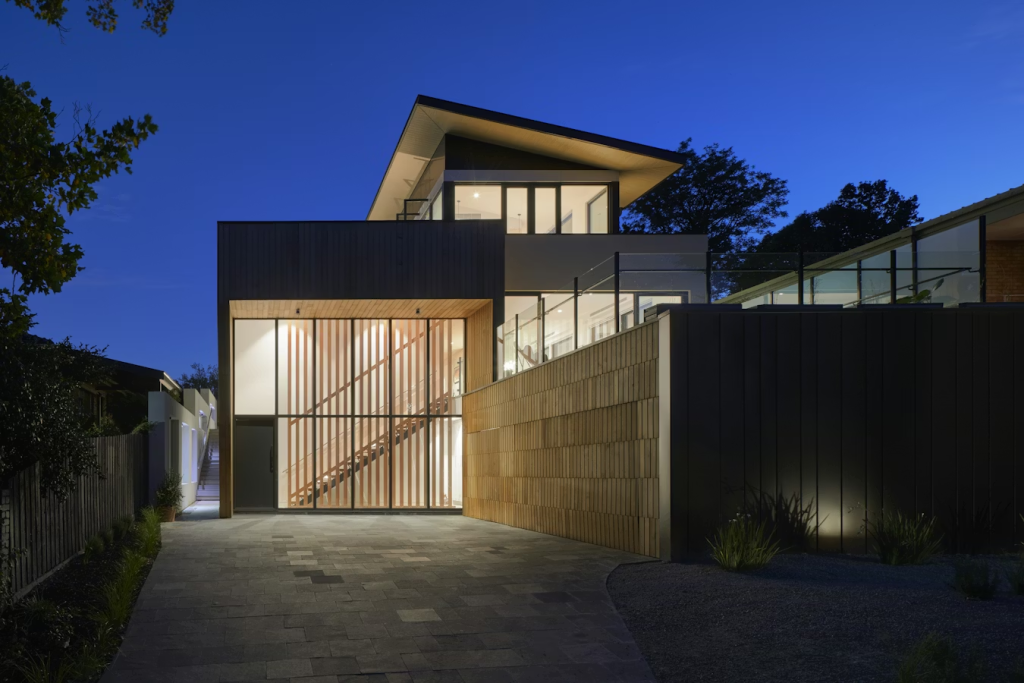
The low-threshold door and strategically placed grab bars are critical safety features
6. Installation Complexity
Professional installation typically accounts for 20–40% of the total cost. Factors affecting installation price:
- Bathroom accessibility – Is the tub going in a basement, second floor, or tight space?
- Plumbing modifications – May need to relocate drains or supply lines ($300–$1,000)
- Electrical work – Jets and pumps require dedicated GFCI-protected circuits ($400–$1,200)
- Wall and floor reinforcement – Some tubs require structural support ($500–$2,000)
- Permit fees – Most jurisdictions require permits ($100–$500)
- Removal and disposal – Hauling away old tub and debris ($200–$500)
7. Regional Cost Variations
Labor rates and material costs vary across the U.S.:
| Region | Average Installed Cost (Standard Combo Tub) |
|---|---|
| Northeast | $7,500 – $12,000 |
| South | $6,000 – $10,000 |
| Midwest | $6,500 – $10,500 |
| West Coast | $8,000 – $14,000 |
| Mountain States | $7,000 – $12,000 |
Top Walk-in Tub Brands and Models
1. Safe Step – Most Recognized Brand
- Model: Safe Step Walk-In Tub with heated seat and fast-drain system
- Price: $5,000 – $9,000 installed
- Features: 17″ seat height, 6 adjustable hydro jets, 10 air jets, heated backrest
- Warranty: Lifetime on tub, 5 years on components
2. American Standard – Trusted Name
- Model: American Standard Walk-In Tub with Right Height® seat
- Price: $4,500 – $8,500 installed
- Features: 14″–17″ seat height, 4 hydro jets, 10 air jets, quick-drain technology
- Warranty: Limited lifetime
3. Kohler – Premium Luxury
- Model: Kohler Walk-In Bath with HydroMassage
- Price: $7,000 – $14,000 installed
- Features: 10 hydro jets, heated surface, 2 grab bars, Comfort Height® seat
- Warranty: 1 year (Kohler relies on dealer warranties)
4. Ella’s Bubbles – Direct-to-Consumer Value
- Model: Ella’s Bubbles Soaker or Combo tubs
- Price: $3,000 – $6,000 (tub only, installation extra)
- Features: 2″ threshold, 12 air jets (optional whirlpool), slide-in or swing door
- Warranty: 10 years on tub, 5 years on parts
5. Independence – Bariatric & Custom
- Model: Independence Walk-In Tub with wide door and extra weight capacity
- Price: $6,000 – $12,000 installed
- Features: Supports up to 600 lbs, 22″ door opening, 7 hydro jets
- Warranty: 5 years on parts, lifetime on shell
6. Hydro Systems – Luxury Therapy
- Model: Hydro Systems Therapeutic Walk-In Tub with chromotherapy
- Price: $9,000 – $18,000 installed
- Features: 12 hydro jets, 20 air jets, LED chromotherapy, aromatherapy, heated surfaces
- Warranty: 7 years
Benefits of Walk-in Tubs (Why They’re Worth the Investment)

Safety and Fall Prevention
- Over 235,000 people visit emergency rooms annually due to bathtub-related injuries (CDC)
- Walk-in tubs eliminate the need to step over a high tub wall
- Built-in grab bars and non-slip floors reduce fall risk by up to 80%
Independence and Comfort
- Allows seniors and disabled individuals to bathe without assistance
- Therapeutic jets ease arthritis pain, improve circulation, and reduce stress
- Heated surfaces prevent chilling during long soaks
Home Value and Marketability
- While not a full return on investment, an accessible bathroom appeals to aging buyers
- Some real estate experts estimate a 50–70% recoup on walk-in tub installations
Insurance and Tax Benefits
- May be deductible as a medical expense if prescribed by a doctor
- Some long-term care insurance policies cover part of the cost
- Certain state Medicaid waiver programs offer assistance
Walk-in Tub Installation Process: Step by Step
Step 1: In-Home Consultation
A representative measures your bathroom, assesses plumbing and electrical, and discusses your needs. They’ll provide a detailed quote.
Step 2: Selecting Your Tub and Options
Choose door swing direction, jet types, colors, and additional features like rapid drain or heated surfaces.
Step 3: Permit Acquisition
Most contractors handle permits. Ensure they pull the required permits—it protects you and ensures code compliance.
Step 4: Preparation and Removal
- Remove old tub and surrounding tile/wall if needed
- Protect floors and adjacent areas
- Shut off water and disconnect plumbing
Step 5: Reinforcement and Modifications
- Subfloor may be reinforced for the heavier tub
- Electrical wiring installed for pump and heater
- Plumbing rough-ins adjusted
Step 6: Tub Installation
- Tub positioned and leveled
- Door sealed and adjusted
- Plumbing connections made
- Pump and controls installed
Step 7: Final Connections and Testing
- Water and electrical connected
- Tub filled and tested for leaks
- Door seal checked
- Jets and drains tested
Step 8: Cleanup and Walkthrough
- Debris removed
- Demonstration of tub operation
- Warranty and care instructions provided
Typical timeline: 1–3 days for installation, plus 2–6 weeks for manufacturing/delivery.
How to Choose a Walk-in Tub Installer
Essential Credentials
- Licensed and insured – Verify contractor’s license with your state, and ensure they have general liability and workers’ comp
- BBB accreditation – Check for complaints and ratings
- Manufacturer certification – Preferred installers are often certified by the tub brand
- References – Ask for recent local installations you can contact
Red Flags to Avoid
- High-pressure sales tactics (“today-only price”)
- Requests for large upfront deposits (over 20–30%)
- No physical showroom or local address
- Unwilling to provide written contract with detailed scope
- No mention of permits or inspections
Questions to Ask
- How many walk-in tubs have you installed?
- Do you sub-contract any work?
- Who obtains the permits?
- What warranties do you offer on labor?
- How do you handle unexpected issues (rotten subfloor, outdated wiring)?
- Can you provide proof of insurance?
Financing and Assistance Options
Medical Necessity and Insurance
- Medicare – Generally does not cover walk-in tubs
- Medicaid – Some state waivers may cover home modifications; check with your state’s Medicaid office
- Veterans Benefits – The VA may provide grants for disabled veterans (SAH/SHA grants)
- Long-term care insurance – Some policies cover assistive devices if part of a care plan
Financing Plans
- Manufacturer financing – Many brands offer 0–6% APR for qualified buyers
- Home equity loans/lines of credit – Interest may be tax-deductible
- Personal loans – Unsecured loans from banks or online lenders
- Reverse mortgage – For seniors 62+, can fund home modifications
Tax Deductions
If prescribed by a doctor as a medical necessity, the cost (including installation) may be deductible as a medical expense (subject to 7.5% AGI threshold).
Maintenance and Operating Costs
- Water usage – Walk-in tubs hold 40–80 gallons (more than standard tubs). Expect a slight increase in water bills.
- Energy costs – Heating the extra water adds $5–$15 per month depending on local rates.
- Cleaning – Regular cleaning with non-abrasive products; jets need occasional flushing with cleaning solution.
- Annual maintenance – Some recommend professional servicing of pumps and jets every 2–3 years ($100–$200).
Frequently Asked Questions
Are walk-in tubs safe for seniors?
Yes, they are specifically designed to prevent falls. Low threshold, grab bars, and non-slip surfaces drastically reduce risk. Always supervise if the user has cognitive issues.
How long does it take to fill a walk-in tub?
Standard fill time is 5–10 minutes. With optional fast-fill faucets, it can be reduced to 3–5 minutes.
Can I install a walk-in tub myself?
Not recommended. Plumbing, electrical, and structural modifications require licensed professionals. DIY installation voids warranties and risks safety.
Do walk-in tubs come with a warranty?
Most manufacturers offer 5–10 years on parts and lifetime on the tub shell. Labor warranties from installers typically range 1–5 years.
How do I clean the jets?
Follow manufacturer instructions. Usually, you fill the tub with warm water and a special cleaning solution, then run the jets for 10–15 minutes and drain.
Will a walk-in tub fit in my existing bathroom?
Most standard tubs fit in a typical 60″ x 30″ alcove. However, door swing and space around the tub must be considered. A professional measurement is essential.
What is the weight capacity?
Standard walk-in tubs support 300–400 lbs. Bariatric models support up to 600 lbs or more.
Conclusion: Is a Walk-in Tub Right for You?
Investing in a walk-in tub is a decision that enhances safety, comfort, and independence. While the upfront cost can be significant—typically $5,000 to $10,000 installed—the benefits of fall prevention, pain relief, and continued independence are priceless for many families.
Key Takeaways:
- Choose the right features based on mobility level and therapeutic needs
- Get multiple quotes from certified installers
- Verify credentials and check references
- Explore financial assistance through insurance, VA benefits, or financing
- Plan for installation time and any necessary bathroom modifications
Remember, the least expensive option isn’t always the best value. Quality construction, reliable warranty, and professional installation ensure your walk-in tub provides years of safe, comfortable use.