Complete Guide to Central Air Conditioning Replacement Costs in the United States (2026)
How Much Does Central AC Replacement Cost in 2026?
If your air conditioner has stopped keeping your home cool or your energy bills are climbing despite normal usage, you’re likely facing the decision to repair or replace. Central air conditioning replacement is a significant investment, but understanding the costs helps you make an informed choice.
Quick Answer: The average cost to replace a central air conditioning system in the United States ranges from $5,000 to $12,500, with most homeowners paying around $7,500 for a complete installation. High-efficiency systems or complex installations can reach $15,000–$22,000, especially when including new ductwork or electrical upgrades .
National Average Cost Breakdown
| Cost Component | Price Range |
|---|---|
| Central AC unit (equipment only) | $2,500 – $5,000 |
| Installation labor | $1,500 – $3,000 |
| Permits and inspections | $250 – $400 |
| Thermostat (smart/upgraded) | $120 – $260 |
| Total standard replacement | $5,000 – $12,500 |
| With new ductwork | +$3,000 – $8,000 |
| With electrical panel upgrade | +$2,000 – $5,000 |
Central AC Replacement Cost by Unit Size
Your home’s square footage determines the cooling capacity needed, measured in tons. One ton equals 12,000 BTUs of cooling power. Here’s what you can expect to pay based on home size :
| Home Size (Sq Ft) | Recommended AC Size | Average Unit Cost* | Total Installed Cost |
|---|---|---|---|
| 600–1,000 | 1.5 tons | $1,300 – $2,000 | $3,500 – $5,500 |
| 1,000–1,600 | 2.5 tons | $2,000 – $2,900 | $4,500 – $6,500 |
| 1,600–2,000 | 3 tons | $2,500 – $3,500 | $5,500 – $8,000 |
| 2,000–2,500 | 3.5 tons | $3,000 – $4,000 | $6,500 – $9,500 |
| 2,500–3,000 | 4 tons | $3,500 – $5,000 | $7,500 – $11,000 |
| 3,000+ | 5 tons | $4,500 – $6,800 | $9,000 – $15,000+ |
*Equipment only, excluding labor and installation
Important: A professional load calculation (Manual J) is essential—bigger isn’t always better. Oversized units cycle on and off frequently, failing to remove humidity properly and wearing out faster .
AC Replacement Cost by System Type
Different air conditioning systems come with different price points based on technology and installation requirements :
| System Type | Average Installed Cost | Best For |
|---|---|---|
| Central AC (split system) | $5,000 – $12,500 | Homes with existing ductwork |
| Heat pump (air source) | $4,200 – $8,000 | Mild climates, heating+cooling |
| Ductless mini-split | $3,000 – $14,500 | Homes without ducts, room additions |
| Packaged unit | $6,000 – $12,000 | Homes with limited indoor space |
| High-velocity system | $8,000 – $18,000 | Historic homes, no ductwork |
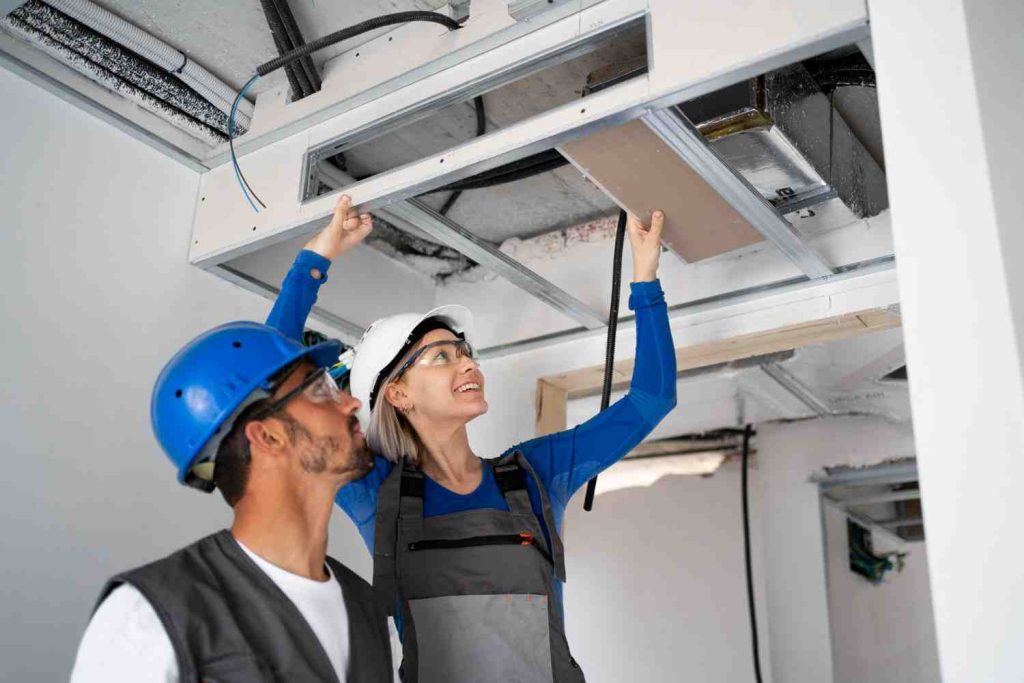
Ductless mini-split systems offer flexible zoning without ductwork
Energy Efficiency: SEER2 Ratings and Cost Impact
SEER2 (Seasonal Energy Efficiency Ratio) measures how efficiently your air conditioner operates. Higher ratings mean lower energy bills but higher upfront costs .
| Efficiency Tier | SEER2 Rating | Price Premium | Annual Energy Savings |
|---|---|---|---|
| Good (Entry-Level) | 14–15 SEER2 | Baseline | Standard efficiency |
| Better (Mid-Range) | 16–18 SEER2 | +15–25% | 15–25% savings |
| Best (Premium) | 19–21+ SEER2 | +30–50% | 25–40% savings |
The Payback Calculation: A premium system costing $3,000 more upfront might save $400–$600 annually on cooling bills, paying for itself in 5–8 years—well within the 15–20 year lifespan of quality equipment .
Regional Cost Variations Across the United States
AC replacement costs vary significantly by region due to labor rates, climate requirements, and local codes :
| Region | Average Installed Cost (3-ton system) | Regional Factors |
|---|---|---|
| Northeast | $7,500 – $13,000 | Higher labor costs, older homes |
| South | $5,500 – $10,000 | Competitive market, high demand |
| Midwest | $6,000 – $11,000 | Moderate costs, seasonal demand |
| West Coast | $7,000 – $14,000 | Higher labor, strict codes |
| Bay Area, CA | $14,000 – $22,000 | Premium labor, Title 24 requirements |
| New York City | $6,500 – $12,500 | Access challenges, permits |
For example, Bay Area homeowners pay significantly more—$14,000–$22,000 for a heat pump system—due to higher labor rates ($85–$150/hour) and strict California Title 24 energy codes. However, they also access generous rebates up to $5,000+ .
Key Factors That Determine Your AC Replacement Cost
1. Unit Size and Proper Sizing
Correct sizing is critical. A professional contractor performs a Manual J load calculation considering:
- Square footage and ceiling height
- Insulation quality
- Window count and orientation
- Local climate
- Number of occupants
Improper sizing leads to humidity problems, uneven cooling, and premature failure .
2. Installation Complexity
Your final cost depends on your home’s specific conditions :
- Ductwork condition: Leaky or undersized ducts need repair or replacement ($3,000–$8,000)
- Electrical requirements: Older homes may need panel upgrades ($2,000–$5,000)
- Accessibility: Attic installations, tight spaces, or multi-story homes increase labor
- Existing system removal: Hauling away old equipment ($200–$500)
3. Brand and Equipment Quality
Premium brands like Bryant, Carrier, Trane, and Lennox typically cost more but offer :
- Longer warranties (10-year parts standard)
- Quieter operation (as low as 55 decibels)
- Better reliability
- Advanced features like variable-speed compressors
4. Features and Technology
Modern AC systems offer features that add cost but enhance comfort :
| Feature | Added Cost | Benefit |
|---|---|---|
| Variable-speed compressor | $800–$2,000 | Consistent temperatures, better humidity control |
| Smart thermostat compatibility | $150–$500 | Remote control, energy savings |
| Two-stage operation | $500–$1,500 | Runs at low speed most days, quieter |
| Insulated compressor blanket | $100–$300 | Reduces outdoor noise |
| Enhanced humidity control | $300–$800 | Better moisture removal |

Smart thermostats optimize comfort and can reduce energy bills by 10–15%
The $5,000 Rule: Repair vs. Replace Decision
HVAC professionals use the “$5,000 rule” to help homeowners decide whether to repair or replace their AC system :
Formula: Age of unit × Cost of repair = Decision number
- If result over $5,000 → Replacement is usually smarter
- If result under $5,000 → Repair may be cost-effective
Examples:
- 10-year-old AC × $400 repair = $4,000 → Consider repair
- 12-year-old AC × $500 repair = $6,000 → Consider replacement
- 15-year-old AC × $350 repair = $5,250 → Replacement likely makes sense
Exceptions where replacement is better regardless:
- Compressor or evaporator coil failure
- System uses R-22 refrigerant (phased out)
- Multiple costly repairs in recent years
- Energy bills climbing significantly
Signs Your Air Conditioner Needs Replacement
Watch for these warning signs that indicate replacement may be necessary :
- Age exceeds 15 years – Most AC units last 15–20 years with proper maintenance
- Frequent repairs – Multiple service calls in 2–3 years
- Rising energy bills – Efficiency drops as systems age
- Inconsistent cooling – Hot and cold spots, poor humidity control
- Strange noises – Grinding, squealing, or rattling
- Odd smells – Burning or musty odors
- R-22 refrigerant – Expensive and being phased out
What’s Included in a Professional AC Replacement Quote
A complete replacement quote should include :
Standard Inclusions:
- Outdoor condensing unit
- Indoor evaporator coil
- Refrigerant line set
- Equipment pad for outdoor unit
- Permits and inspections
- Professional installation and startup
- Removal and disposal of old equipment
- Manufacturer warranty (typically 10-year parts)
- Labor warranty (1–5 years typical)
Common Exclusions (may be extra):
- Ductwork modifications or replacement
- Electrical panel upgrades
- New thermostat (if upgrading)
- Zoning systems
- Air quality upgrades (purifiers, UV lights)
Available Rebates and Tax Credits (2026)
Several programs can significantly reduce your out-of-pocket costs :
Federal Tax Credits
- Energy Efficient Home Improvement Credit: Up to $2,000 for qualifying heat pumps and high-efficiency systems
- Available through 2032
Utility and State Rebates
- Many utilities offer $200–$500+ for ENERGY STAR certified equipment
- Check the ENERGY STAR Rebate Finder for local programs
HEEHRA Rebates (Income-Qualified)
- Up to $8,000 for low-to-moderate income households
- Point-of-sale rebates for heat pump installations
- Available in participating states
Manufacturer Rebates
- Seasonal promotions from brands like Bryant, Carrier, Trane
- Often $200–$1,000 off qualifying systems
Stacking Incentives
Many homeowners can combine federal tax credits, utility rebates, and manufacturer promotions for total savings of $1,000–$5,000+.
How to Choose an HVAC Contractor
Selecting the right contractor is as important as choosing quality equipment :
Essential Credentials
- State license where required
- EPA Section 608 certification for refrigerant handling
- General liability and workers’ compensation insurance
- NATE certification (North American Technician Excellence)
- Manufacturer certification (Factory-trained for specific brands)
- Local references with 5+ years in business
Questions to Ask
- “How many years have you been in business locally?”
- “Can you provide recent references from similar installations?”
- “Do you perform Manual J load calculations?”
- “What warranties do you offer on equipment and labor?”
- “Will you handle all permits and inspections?”
- “How do you handle unexpected issues during installation?”
Red Flags to Avoid
- High-pressure sales tactics (“today-only pricing”)
- Requests for large upfront deposits (over 10–20%)
- No physical business address
- Unwilling to provide proof of insurance
- Vague or verbal-only quotes
Professional installation ensures proper charging and system performance
The Installation Process: What to Expect
A typical AC replacement takes 4–8 hours for a straightforward swap, or 1–3 days for complex installations :
Day 1: Preparation and Removal
- Technician arrives with equipment and materials
- Old system is drained of refrigerant (properly recovered)
- Old indoor and outdoor units removed
- Area cleaned and prepared
Day 1 (continued): Installation
- New indoor coil installed
- New outdoor condenser positioned on pad
- Refrigerant lines connected
- Electrical connections made
Final Steps
- System leak-tested and evacuated
- Proper refrigerant charge added
- System started and tested
- Thermostat programmed and calibrated
- Walk-through with homeowner
- Paperwork and warranty information provided
Maintenance Tips to Maximize Lifespan
Proper maintenance extends your new AC system’s life and maintains efficiency :
- Change filters monthly during cooling season
- Keep outdoor unit clear of debris, plants, and leaves
- Schedule annual professional maintenance before summer
- Check condensate drain for clogs
- Monitor energy bills for unexpected increases
With proper care, a quality AC system should last 15–20 years.
Frequently Asked Questions
How long does AC replacement take?
Most standard replacements complete in one day (4–8 hours). Complex installations with ductwork modifications may take 2–3 days .
Can I replace just the outdoor unit?
Matching indoor and outdoor units is essential for proper operation and warranty coverage. Mixing brands or generations often leads to efficiency loss and premature failure .
What SEER rating should I buy?
For most homes, 16–18 SEER2 offers the best balance of upfront cost and long-term savings. Higher ratings make sense in hot climates or if you plan to stay in your home 10+ years .
Will a new AC save me money?
Yes. Replacing a 15-year-old AC with a 16 SEER unit typically saves 20–40% on cooling costs—$200–$600 annually depending on usage and local rates .
Do I need a permit for AC replacement?
Most jurisdictions require permits. Professional contractors include permit fees in their quotes and handle the process .
What’s the best time to replace my AC?
Spring and fall offer ideal weather for installation and better contractor availability. Waiting until peak summer may mean delays and premium pricing .
Is AC Replacement Worth the Investment?
Beyond comfort, a new central air conditioning system offers:
- Lower energy bills – Modern systems use 20–40% less energy
- Improved home value – New HVAC appeals to buyers
- Better humidity control – Enhanced comfort
- Quieter operation – Enjoy your outdoor spaces
- Reliability – Fewer breakdowns during heat waves
- Environmental benefits – Lower carbon footprint
The 2024 Remodeling Cost vs. Value Report estimates that homeowners recoup approximately 60–75% of AC replacement costs at resale, though the exact return varies by market .
Ready to Replace Your Central AC?
Armed with this comprehensive cost guide, you’re prepared to make an informed decision:
- Assess your current system – Age, condition, repair history
- Determine your budget – Consider both upfront and long-term costs
- Research efficiency levels – Balance initial cost with energy savings
- Check available rebates – Federal, state, and local incentives
- Get 3–5 written quotes from licensed, insured contractors
- Verify credentials – License, insurance, certifications
- Compare proposals – Equipment, warranties, and inclusions
Remember: The lowest bid isn’t always the best value. Quality installation by certified professionals ensures your new system delivers comfort, efficiency, and reliability for decades to come.