Best Solar Panels for Home in 2025: Complete Buyer’s Guide & Comparison
Everything You Need to Know About Home Solar Panels in 2025
If you’re considering solar panels for your home, you’re joining millions of Americans who are reducing energy bills and their carbon footprint. With federal tax credits, state incentives, and rapidly improving technology, there’s never been a better time to go solar.
Quick Answer: The best solar panels for homes in 2025 combine high efficiency, durability, and strong warranties. Top performers include SunPower (22.8% efficiency), REC (22.2%), Panasonic (21.6%), and Q CELLS (20.7%) . A typical 6–8 kW system costs $15,000–$25,000 before incentives and $10,000–$18,000 after the 30% federal tax credit .
Average Solar Panel System Costs (2025)
| System Size | Average Cost Before Incentives | After 30% Federal Tax Credit | Annual Energy Production* | Homes Powered** |
|---|---|---|---|---|
| 4 kW | $10,000 – $14,000 | $7,000 – $9,800 | 5,200–6,000 kWh | 1 bedroom |
| 6 kW | $15,000 – $19,000 | $10,500 – $13,300 | 7,800–9,000 kWh | 2–3 bedrooms |
| 8 kW | $20,000 – $24,000 | $14,000 – $16,800 | 10,400–12,000 kWh | 3–4 bedrooms |
| 10 kW | $25,000 – $30,000 | $17,500 – $21,000 | 13,000–15,000 kWh | 4–5 bedrooms |
| 12 kW | $30,000 – $36,000 | $21,000 – $25,200 | 15,600–18,000 kWh | 5+ bedrooms |
*Varies by location, orientation, and shading
**Based on average US household consumption of 10,632 kWh annually
Top 10 Best Solar Panels for Homes in 2025
After analyzing hundreds of panels based on efficiency, durability, warranty, and real-world performance, here are our top recommendations:
1. SunPower M Series – Best Overall Performance
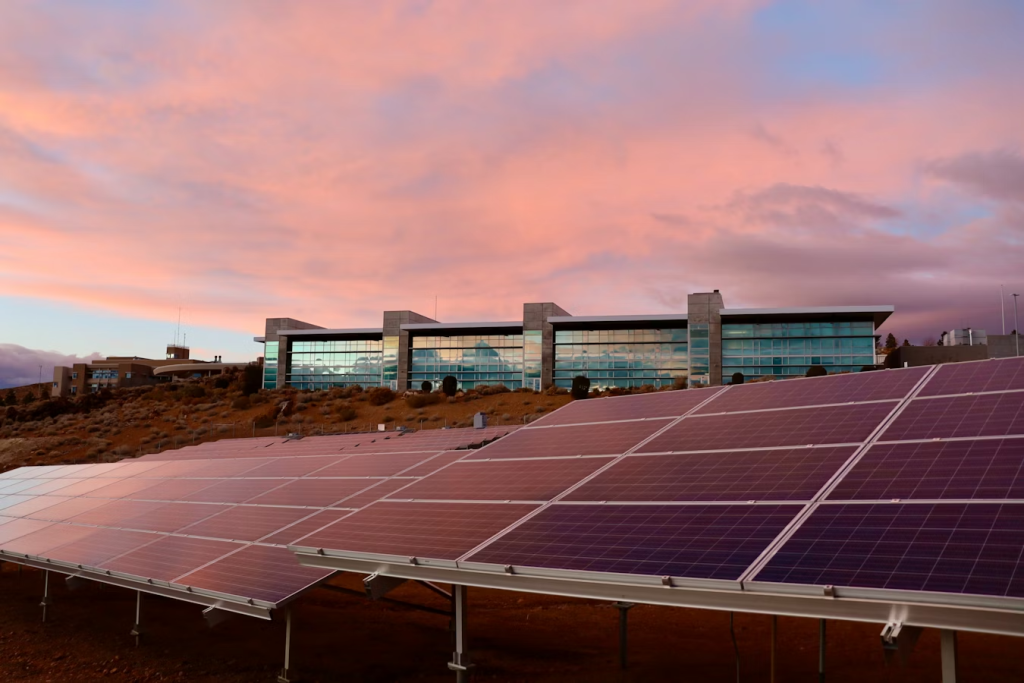
Efficiency: 22.8% (Highest in industry)
Power Output: 415–440 watts
Warranty: 25-year product, 25-year performance (92% retained)
Price Premium: $$$$$
SunPower consistently tops industry rankings with the highest efficiency panels available to homeowners. Their Maxeon cell technology uses a solid copper foundation that resists cracking and degradation better than traditional designs.
Pros:
- Industry-leading efficiency (more power in less space)
- Best-in-class temperature coefficient (-0.29%/°C)
- Comprehensive 25-year warranty covers everything
- Excellent performance in low-light conditions
Cons:
- Premium pricing (20–30% higher than competitors)
- Limited installer network compared to mass-market brands
- Overkill for homes with abundant roof space
2. REC Alpha Pure-R – Best Value Premium
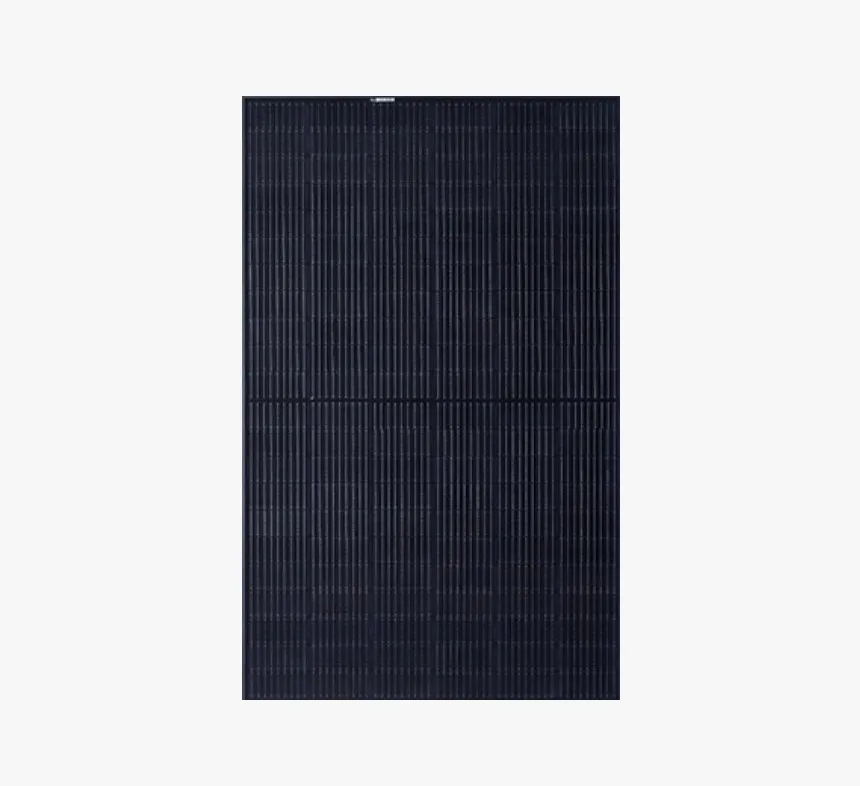
Efficiency: 22.2%
Power Output: 410–430 watts
Warranty: 25-year product, 25-year performance (92% retained)
Price Premium: $$$$
Norwegian-owned REC has earned a reputation for quality and innovation. The Alpha Pure-R uses heterojunction technology (HJT) combining the best of monocrystalline and thin-film designs.
Pros:
- Exceptional efficiency at slightly lower cost than SunPower
- Lead-free construction (safer for environment)
- Excellent low-light performance
- Strong temperature coefficient (-0.24%/°C)
Cons:
- Limited availability through some installers
- Slightly less efficient than SunPower
3. Panasonic EverVolt H Series – Most Reliable
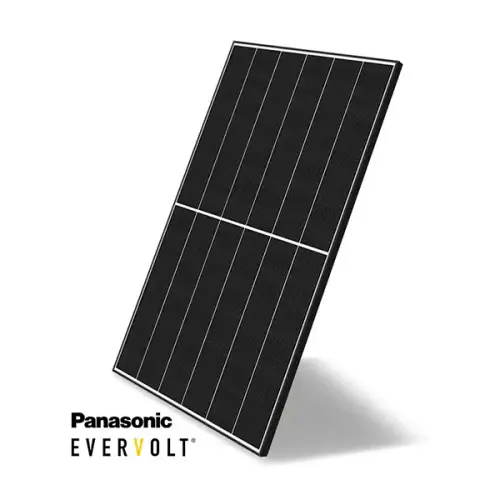
Efficiency: 21.6%
Power Output: 400–410 watts
Warranty: 25-year product, 25-year performance (92% retained)
Price Premium: $$$
Panasonic brings decades of electronics expertise to solar manufacturing. Their EverVolt series features heterojunction technology with exceptional reliability ratings.
Pros:
- Proven track record of durability
- Excellent temperature coefficient (-0.26%/°C)
- All-black aesthetic option
- Strong degradation warranty (only 0.25% annual loss)
Cons:
- Slightly lower efficiency than top two
- Premium pricing but often competitive
4. Q CELLS Q.TRON – Best Value
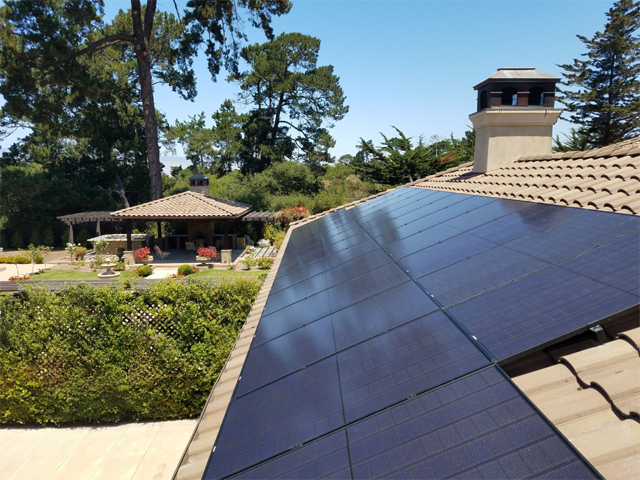
Efficiency: 20.7%
Power Output: 400–425 watts
Warranty: 25-year product, 25-year performance (86% retained)
Price Premium: $$
Korean manufacturer Q CELLS dominates the residential market with the best price-to-performance ratio. Their Q.TRON series uses advanced Q.ANTUM technology for reliable performance.
Pros:
- Excellent value for efficiency level
- Widely available through most installers
- Strong track record and reliability
- Good low-light performance
Cons:
- Lower efficiency than premium brands
- Slightly higher degradation rate (0.5% annually)
5. Silfab 370 Elite – Best American-Made
Efficiency: 20.5%
Power Output: 370–390 watts
Warranty: 25-year product, 30-year performance
Price Premium: $$$
Silfab manufactures panels in Washington state, appealing to homeowners wanting American-made products. Their panels feature heavy-duty frames and premium components.
Pros:
- Manufactured in USA (qualifies for domestic content bonus)
- Heavy-duty frames withstand extreme weather
- 30-year performance warranty (longer than most)
- Excellent aesthetics (all-black option)
Cons:
- Slightly lower efficiency than Asian competitors
- Regional availability varies
6. Canadian Solar HiHero – Best for Hot Climates
Efficiency: 21.0%
Power Output: 395–410 watts
Warranty: 25-year product, 25-year performance
Price Premium: $$$
Canadian Solar’s HiHero series uses heterojunction technology with exceptional heat tolerance, making it ideal for southwestern states.
Pros:
- Best-in-class temperature coefficient (-0.26%/°C)
- Excellent performance in high heat
- Good efficiency for mid-range price
- Reliable manufacturer
Cons:
- Less known brand in residential market
- Availability varies by installer
7. LG NeON R – Discontinued But Still Available
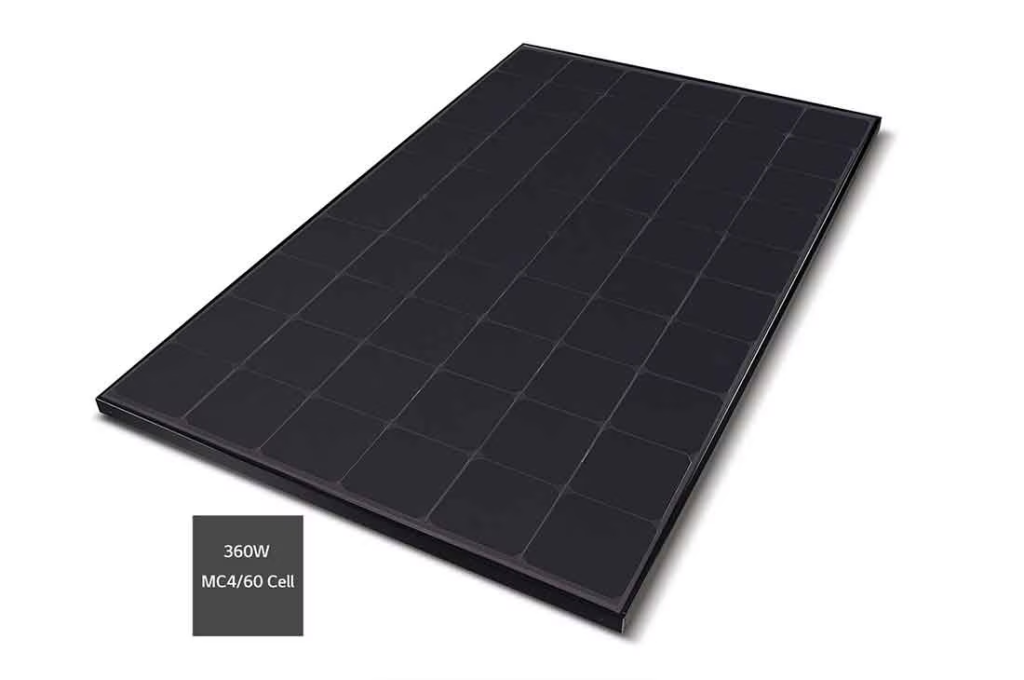
Efficiency: 21.1%
Power Output: 375–400 watts
Warranty: 25-year product, 25-year performance
Price Premium: $$$
Although LG exited the solar manufacturing business, remaining inventory is still available with full warranties honored. Their NeON R panels remain among the most reliable ever made.
Pros:
- Exceptional build quality
- Excellent warranty support (LG stands behind it)
- Beautiful all-black design
- Strong performance metrics
Cons:
- Limited availability (discontinued)
- No new production for future expansions
8. Mission Solar MSE – Best Budget American
Efficiency: 19.5%
Power Output: 360–380 watts
Warranty: 25-year product, 25-year performance
Price Premium: $
Texas-based Mission Solar offers affordable American-made panels ideal for homeowners with plenty of roof space who want domestic products without the premium price tag.
Pros:
- Made in San Antonio, Texas
- Affordable pricing
- Solid 25-year warranty
- Good for large roof areas
Cons:
- Lower efficiency requires more panels
- Regional distribution concentrated in South
9. Trina Solar Vertex S – Best Bifacial Option
Efficiency: 21.0%
Power Output: 400–425 watts
Warranty: 25-year product, 25-year performance
Price Premium: $$
Trina’s Vertex S bifacial panels capture light from both sides, boosting energy production by 5–15% in ideal conditions (white roofs, ground mounts, snow).
Pros:
- Bifacial design increases output
- Excellent efficiency for price
- Large global manufacturer
- Good availability
Cons:
- Bifacial benefits limited on standard roofs
- Requires specific installation conditions
10. Tesla Solar Panels – Best Integration
Efficiency: 19.3%
Power Output: 400 watts
Warranty: 25-year product, 25-year performance
Price Premium: $$
Tesla offers competitively priced panels with seamless integration with Powerwall batteries and the Tesla app ecosystem. Their pricing transparency (online quotes) appeals to tech-savvy homeowners.
Pros:
- Lowest pricing among major brands
- Seamless Powerwall integration
- Sleek low-profile design
- Easy online ordering and pricing
Cons:
- Lower efficiency (needs more roof space)
- Mixed reviews on customer service
- Limited customization options
Solar Panel Comparison Table (2025)
| Brand | Model | Efficiency | Power (W) | Price Tier | Best For |
|---|---|---|---|---|---|
| SunPower | M Series | 22.8% | 415–440 | $$$$$ | Maximum efficiency |
| REC | Alpha Pure-R | 22.2% | 410–430 | $$$$ | Premium value |
| Panasonic | EverVolt H | 21.6% | 400–410 | $$$ | Reliability |
| Q CELLS | Q.TRON | 20.7% | 400–425 | $$ | Best value |
| Silfab | Elite | 20.5% | 370–390 | $$$ | American-made |
| Canadian Solar | HiHero | 21.0% | 395–410 | $$ | Hot climates |
| LG | NeON R* | 21.1% | 375–400 | $$$ | Discontinued quality |
| Mission Solar | MSE | 19.5% | 360–380 | $ | Budget American |
| Trina Solar | Vertex S | 21.0% | 400–425 | $$ | Bifacial potential |
| Tesla | Solar Panel | 19.3% | 400 | $$ | Ecosystem integration |
*Limited remaining inventory
Key Factors to Consider When Choosing Solar Panels
1. Efficiency: Why It Matters
Solar panel efficiency measures how much sunlight converts to electricity. Higher efficiency means:
- More power from limited space (critical for small roofs)
- Fewer panels needed for same output
- Better aesthetics (less roof coverage)
- Higher value for premium installations
Efficiency tiers for 2025:
- Premium (21%+): SunPower, REC, Panasonic
- Mid-range (19–21%): Q CELLS, Canadian Solar, Silfab
- Value (<19%): Mission Solar, budget brands
2. Temperature Coefficient
Panels lose efficiency as they heat up. Lower temperature coefficients (closer to zero) mean better performance on hot days:
| Brand | Temperature Coefficient | Performance at 95°F (vs. 77°F) |
|---|---|---|
| SunPower | -0.29%/°C | 96% of rated power |
| REC | -0.24%/°C | 97% of rated power |
| Panasonic | -0.26%/°C | 96.5% of rated power |
| Q CELLS | -0.34%/°C | 94% of rated power |
| Standard | -0.35 to -0.40%/°C | 92–94% of rated power |
3. Degradation Rate
All solar panels slowly lose efficiency over time. Lower degradation means more power decades from now:
- Premium brands: 0.25–0.30% annual loss (92% after 25 years)
- Standard brands: 0.50–0.70% annual loss (85–88% after 25 years)
4. Warranty Comparison
| Brand | Product Warranty | Performance Warranty | Year 25 Output |
|---|---|---|---|
| SunPower | 25 years | 25 years | 92% |
| REC | 25 years | 25 years | 92% |
| Panasonic | 25 years | 25 years | 92% |
| Q CELLS | 25 years | 25 years | 86% |
| Silfab | 25 years | 30 years | 87% |
| LG* | 25 years | 25 years | 90% |
*Honored by LG despite exit from manufacturing
5. Aesthetics: Panel Appearance
- All-black panels (most premium look) – SunPower, REC, Panasonic, Silfab
- Black frame with blue cells – Q CELLS, Canadian Solar
- Silver frame with blue cells – Budget options
- Low-profile mounting – Tesla (flush mount), SunPower InvisiMount
Complete Solar System Components
Your solar panel choice is just one part of a complete system:
1. Inverters (Critical Choice)
| Type | How It Works | Cost | Efficiency | Best For |
|---|---|---|---|---|
| String Inverter | Central unit for all panels | $1,000–$2,000 | 95–98% | Simple roofs, no shading |
| Microinverters | Each panel has own inverter | $2,000–$3,500+ | 95–97% | Complex roofs, shading |
| Power Optimizers | Panel-level optimization + string inverter | $1,500–$3,000 | 96–99% | Shading, monitoring |
Top Inverter Brands:
- Enphase – Market leader in microinverters
- SolarEdge – Leader in DC-optimized systems
- Tesla – Integrated with Powerwall
- Fronius – Premium string inverters
2. Battery Storage (Optional)
| Battery | Capacity | Power | Price (Installed) | Best For |
|---|---|---|---|---|
| Tesla Powerwall 3 | 13.5 kWh | 5 kW | $11,500 | Whole-home backup |
| Enphase IQ Battery | 10–20 kWh | 3.8 kW | $12,000+ | Enphase integration |
| LG Chem RESU | 9.8 kWh | 5 kW | $9,000+ | Compact size |
| Franklin aPower | 13.6 kWh | 5 kW | $15,000 | High power output |
3. Monitoring Systems
- Real-time production tracking
- Consumption monitoring
- Alert for system issues
- Mobile app access
Solar Incentives and Tax Credits (2025–2026)
Federal Investment Tax Credit (ITC)
- 30% of total system cost (no cap)
- Available through 2032
- Applies to panels, inverters, batteries, installation
- Reduces tax liability dollar-for-dollar
Example: $25,000 system → $7,500 federal tax credit
State and Local Incentives
| State | Incentive Type | Typical Value |
|---|---|---|
| California | Self-Generation Incentive Program (SGIP) | $200–$1,000/kWh for storage |
| New York | NY-Sun Initiative | $0.20–$0.40/watt |
| Massachusetts | SMART Program | $0.15–$0.35/kWh production |
| Illinois | Solar Renewable Energy Credits (SRECs) | $80–$100/MWh |
| Colorado | Solar*Rewards | $0.05–$0.15/watt |
Net Energy Metering (NEM)
Most utilities credit you for excess power sent to the grid:
- Full retail credit – Best (fewer utilities)
- Wholesale credit – Lower but still valuable
- Net billing – Buy/sell at different rates
Solar Renewable Energy Credits (SRECs)
In some states, you earn credits for every MWh your system produces, sold on open markets ($50–$400 each).
Solar Panel Costs by State (2025)
System costs vary significantly based on labor rates, competition, and incentives:
| State | Average Cost Per Watt | 6 kW System Cost (Before Incentives) |
|---|---|---|
| California | $3.20 – $4.20 | $19,200 – $25,200 |
| Texas | $2.80 – $3.60 | $16,800 – $21,600 |
| Florida | $2.70 – $3.50 | $16,200 – $21,000 |
| New York | $3.30 – $4.30 | $19,800 – $25,800 |
| Massachusetts | $3.40 – $4.40 | $20,400 – $26,400 |
| Arizona | $2.60 – $3.40 | $15,600 – $20,400 |
| Colorado | $2.90 – $3.70 | $17,400 – $22,200 |
| North Carolina | $2.80 – $3.60 | $16,800 – $21,600 |
| Illinois | $2.90 – $3.70 | $17,400 – $22,200 |
| Nevada | $2.70 – $3.50 | $16,200 – $21,000 |
How to Choose a Solar Installer
Essential Credentials
- State license (electrical contractor)
- NABCEP certification (gold standard)
- General liability and workers’ comp insurance
- Better Business Bureau accreditation
- Manufacturer certifications (SunPower, Tesla, etc.)
Questions to Ask
- “How many installations have you completed in my area?”
- “Will you handle all permits and paperwork?”
- “What brands do you offer, and why?”
- “What warranties do you provide on workmanship?”
- “Can you provide references from similar installations?”
- “How do you handle shading and roof condition issues?”
Red Flags
- High-pressure sales (“utility rates will skyrocket”)
- Unrealistic production estimates
- Requests for large upfront deposits (over 10%)
- No physical address or local presence
- Poor online reviews or BBB complaints
Professional installation by certified technicians ensures safety and performance
Solar Payback Period and ROI
Average Payback by State (6 kW system)
| State | Installed Cost | Annual Savings | Payback Years | 25-Year Savings |
|---|---|---|---|---|
| California | $22,000 | $1,800 | 7–9 years | $28,000 |
| Texas | $19,000 | $1,400 | 8–10 years | $22,000 |
| Florida | $18,500 | $1,300 | 9–11 years | $20,000 |
| New York | $23,000 | $1,600 | 9–11 years | $24,000 |
| Massachusetts | $24,000 | $1,700 | 9–11 years | $25,000 |
| Arizona | $18,000 | $1,500 | 7–9 years | $24,000 |
Calculation factors:
- Electricity rate ($0.12–$0.30/kWh)
- Sun hours (4–6 peak hours daily)
- Net metering policies
- Future rate increases (3–5% annually assumed)
Home Value Increase
Studies show solar adds $15,000–$20,000 to home value on average, with homes selling 20% faster than non-solar homes .
Installation Process Timeline
Step 1: Consultation and Design (1–2 weeks)
- Site visit and roof assessment
- Shading analysis
- System design and proposal
- Financing discussion
Step 2: Permitting (2–8 weeks)
- Local building permits
- Utility interconnection application
- HOA approval (if applicable)
Step 3: Installation (1–3 days)
- Roof mounting
- Panel installation
- Inverter and electrical work
- Battery installation (if applicable)
Step 4: Inspection and Activation (2–4 weeks)
- Local building inspection
- Utility inspection and meter swap
- Permission to operate (PTO)
- System turned on
Total timeline: 4–16 weeks depending on location and complexity
Maintenance and Monitoring
Solar panels require minimal maintenance:
- Annual cleaning in dry/dusty areas ($150–$300)
- Monitor production via app weekly
- Check for debris after storms
- Professional inspection every 2–3 years
Most systems maintain 80–90% of original output after 25 years .
Frequently Asked Questions
How long do solar panels last?
Quality panels last 25–30+ years with gradual efficiency decline. Most warranties guarantee 80–92% output after 25 years .
Will solar work in cloudy states?
Yes—Germany leads the world in solar despite cloudy weather. Panels produce 10–25% of rated power in overcast conditions .
Can I go off-grid?
Possible but expensive—requires large battery banks and potentially backup generator. Most homes stay grid-tied for reliability and net metering benefits .
What size system do I need?
Check your annual kWh usage on electric bills. Divide by 1,200–1,500 (typical production per kW in your area) for rough system size .
Do I need to replace my roof first?
If your roof is over 10–15 years old, replace it before solar. Removing panels for roof replacement adds $3,000–$5,000+ later .
What happens during power outages?
Grid-tied systems without batteries shut down for safety. Only systems with batteries and islanding capability provide backup power .
Is Solar Worth It in 2025?
For most homeowners, solar panels offer compelling financial and environmental benefits:
Solar Makes Sense If:
- You own your home (not renting)
- Your roof has good sun exposure (south-facing preferred)
- You pay $100+ monthly for electricity
- Your state has net metering or strong incentives
- You plan to stay in your home 5–7+ years
Solar May Not Be Ideal If:
- Your roof is heavily shaded
- You have a new roof with 10+ years left (just wait)
- Electricity rates are very low in your area
- You plan to move within 3–5 years
- Your HOA has restrictive policies
Conclusion: Choosing Your Best Solar Panels
After comparing top options for 2025, here are our recommendations by priority:
- Maximum efficiency regardless of cost: SunPower M Series
- Best premium value: REC Alpha Pure-R
- Best overall value: Q CELLS Q.TRON
- Best American-made premium: Silfab Elite
- Best budget American: Mission Solar
- Best battery integration: Tesla (with Powerwall)
- Best for hot climates: Canadian Solar HiHero
Remember that panels are just one component—the installer quality, inverter choice, and warranty matter just as much as the panels themselves. Get multiple quotes, verify credentials, and choose a system that balances efficiency, cost, and reliability for your specific situation.
With the 30% federal tax credit continuing through 2032 and panel prices at historic lows, 2025 offers an excellent opportunity to join the solar revolution and start saving on energy bills for decades to come.