Complete Guide to French Drain Installation Costs in the United States (2026)
If you’re dealing with a soggy yard, basement flooding, or water pooling near your foundation, a French drain might be the solution you need. This tried-and-true drainage system uses gravity to redirect water away from problem areas, protecting your home from water damage, mold, and structural issues.
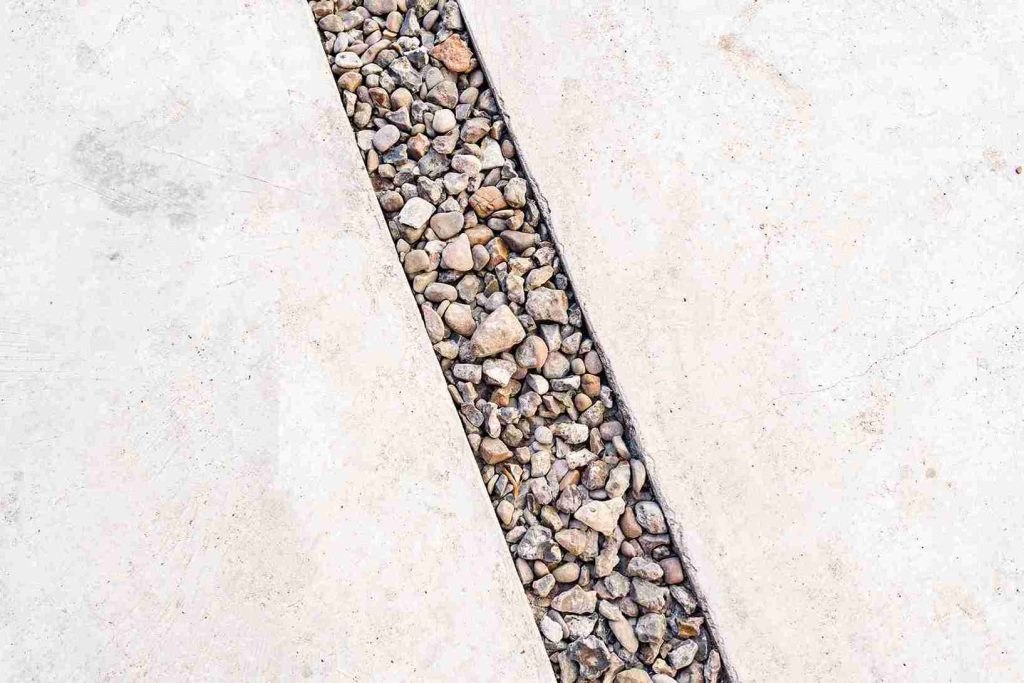
Quick Answer: The average cost to install a French drain in the United States ranges from $2,800 to $6,500, with most homeowners paying around $5,000 for a complete installation . However, prices can vary widely from as low as $500 for a small DIY project to $18,000+ for complex interior systems with sump pumps .
National Average Cost Summary
| Drain Type | Cost per Linear Foot | Typical Project Cost |
|---|---|---|
| Exterior French drain (yard) | $10 – $75 | $2,800 – $6,500 |
| Interior French drain (basement) | $40 – $100 | $4,000 – $10,000+ |
| French drain with sump pump | $50 – $150 | $5,000 – $12,000+ |
French Drain Cost by Type
Understanding the difference between interior and exterior French drains is essential, as they serve different purposes and come with significantly different price tags.
Exterior French Drain (Yard Drainage)
An exterior French drain is installed in your yard to collect surface water and redirect it away from your home. These are typically 2–3 feet deep and cost $10 to $75 per linear foot .
| Project Length | Average Cost Range |
|---|---|
| 50 linear feet | $500 – $3,750 |
| 100 linear feet | $1,000 – $7,500 |
| 200 linear feet | $2,000 – $15,000 |
| 300 linear feet | $3,000 – $22,500 |
Interior French Drain (Basement Waterproofing)
An interior French drain is installed beneath the basement floor to manage groundwater that seeps into your home. This is more labor-intensive because contractors must break up concrete, install the drain, and repair the floor. Costs run $40 to $100 per linear foot .
| Basement Perimeter | Average Cost Range |
|---|---|
| 100 linear feet (20′ x 30′ basement) | $4,000 – $10,000 |
| 150 linear feet | $6,000 – $15,000 |
| 200 linear feet | $8,000 – $20,000 |
French Drain with Sump Pump
For homes with persistent water problems, combining a French drain with a sump pump provides active water removal. The pump collects water in a basin and mechanically pumps it out. Adding a sump pump increases costs by $625 to $2,625 .
| System | Cost Range |
|---|---|
| French drain only | $2,800 – $6,500 |
| French drain + sump pump | $3,500 – $9,000+ |
| Dual sump pump system (with backup) | $5,000 – $12,000+ |
French Drain Cost per Linear Foot by Region
Labor rates vary significantly across the United States. Here’s what you can expect to pay in different regions:
| Region | Cost per Linear Foot (Exterior) |
|---|---|
| Northeast | $20 – $80 |
| South | $15 – $60 |
| Midwest | $15 – $65 |
| West Coast | $25 – $90 |
| Mountain States | $20 – $70 |
Major Metropolitan Area Examples
Factors That Affect French Drain Installation Cost
1. Trench Length and Depth
The primary cost driver is the length of drain you need. Longer trenches require more materials and labor. Depth also matters—interior drains are typically 5–6 feet deep, while exterior drains run 2–3 feet deep .
2. Soil Conditions
Soil type significantly impacts excavation difficulty and cost :
| Soil Type | Cost Impact |
|---|---|
| Sandy or loamy soil | Baseline (easiest to dig) |
| Clay soil | +20–40% (harder to dig, requires proper drainage design) |
| Rocky soil | +50–100% (may require special equipment) |
| High water table | +30–60% (may need dewatering during installation) |
In Maryland’s clay-heavy soil, for example, French drains are often combined with dry wells or require more extensive gravel beds to function effectively .
3. Accessibility and Site Conditions
| Site Factor | Cost Impact |
|---|---|
| Flat, open yard | Baseline |
| Sloped terrain | +10–30% |
| Landscaping to work around | +15–40% |
| Obstacles (trees, utilities, fences) | +20–50% |
| Need for hand digging (vs. machine) | +50–100% |
4. Materials Quality
Professional-grade materials cost more but last longer :
| Material | Standard | Premium |
|---|---|---|
| Pipe | Corrugated flexible ($0.50–$1/ft) | Rigid PVC SDR-35 ($2–$5/ft) |
| Gravel | Pea gravel ($30–$50/ton) | Washed ¾” stone ($40–$70/ton) |
| Fabric | Basic landscape fabric | Non-woven geotextile ($0.50–$1.50/sq ft) |
| Catch basins | Basic plastic ($30–$50) | Commercial-grade ($80–$200+) |
5. Labor Rates
Professional drainage contractors charge $50 to $150 per hour , with total labor typically accounting for 50–70% of the project cost . Skilled labor is essential because drainage is a science—proper slope (typically 1% minimum) and outlet placement are critical for success .
6. Permits and Inspections
| Requirement | Typical Cost |
|---|---|
| Building permit | $50 – $400 |
| Right-of-way permit (for curb outlets) | $500 – $2,000+ |
| Electrical permit (for sump pump) | $50 – $200 |
| Inspection fees | Included or $50–$150 |
In San Diego, connecting to public storm systems or installing curb outlets requires a Right-of-Way permit and potentially an Encroachment Maintenance & Removal Agreement (EMRA), adding $3,000–$9,000+ to project costs .
7. Landscape Restoration
After trenching, you’ll need to restore your yard :
| Restoration Type | Cost |
|---|---|
| Adding topsoil | $11 – $53 per cubic yard |
| Seeding grass | $0.10 – $0.19 per sq ft |
| Laying sod | $0.90 – $1.80 per sq ft |
| Replanting plants/shrubs | $20 – $200+ each |
French Drain vs. Alternative Drainage Solutions
| Solution | Cost Range | Best For |
|---|---|---|
| French drain | $2,800 – $6,500 | Subsurface water, foundation drainage |
| Dry well | $1,350 – $4,255 | Downspout runoff, isolated pooling |
| Catch basins/area drains | $35–$85 per linear foot | Low spots, patios, driveways |
| Channel/slot drains | $120–$280 per linear foot | Garage thresholds, patios |
| Sump pump only | $500 – $2,000 | Active basement flooding |
| Land grading | $800 – $4,000 | Resloping entire yard |
| Permeable pavers | +$5–$12/sq ft over standard | Patios, driveways with drainage issues |
French Drain vs. Dry Well
| Factor | French Drain | Dry Well |
|---|---|---|
| Cost | $2,500–$4,800 (50 ft) | $1,100–$2,800 (2 units) |
| Best application | Subsurface water | Surface runoff from downspouts |
| Soil requirement | Needs outlet or slope | Needs percolation |
| Maintenance | Moderate (flush pipe) | Low (clean filter) |
| Lifespan | 20–40 years | 20+ years |
In clay-heavy soils like much of the Mid-Atlantic, many homeowners combine both systems—French drains to collect water and dry wells to disperse it .
French Drain Installation Process
Step 1: Assessment and Design
- Identify water problem source
- Determine drain location and outlet
- Check slope and soil conditions
- Obtain permits if required
Step 2: Mark Utilities
- Call 811 to mark underground utilities
- Locate water, gas, electric, and sewer lines
- Adjust drain path if necessary
Step 3: Excavation
- Dig trench 12–24 inches wide
- Depth: 18–24 inches for surface water, 5–6 feet for basement drains
- Create proper slope (1–2% grade)
Step 4: Install Fabric and Gravel
- Line trench with geotextile fabric
- Add 2–3 inches of washed gravel
- Ensure proper slope is maintained
Step 5: Place Pipe
- Lay perforated pipe (holes down typically)
- Connect sections securely
- For basement drains, connect to sump pump
Step 6: Backfill
- Cover pipe with more gravel
- Wrap fabric over gravel
- Add topsoil and restore lawn
Step 7: Test and Inspect
- Test with water to ensure proper flow
- Schedule required inspections
- Verify outlet functions correctly
DIY vs. Professional Installation
DIY French Drain Cost (25-foot project)
| DIY Equipment | Cost |
|---|---|
| Trencher rental (4 hours) | $60 |
| Sod cutter rental | $110 |
| Tools (level, tape, wheelbarrow) | $200 |
| Landscape fabric | $59 |
| Pea gravel (1.5 cubic feet) | $38 |
| 4″ PVC pipe | $30 |
| Catch basin | $47 |
| Total DIY Cost (25 ft) | ~$528 ($21.12/ft) |
Professional Cost for Same Project: $250–$1,875 ($10–$75/ft)
Risks of DIY Installation
- Utility strikes – Hitting gas, electric, or water lines can be dangerous and expensive
- Improper slope – Water flows the wrong direction, making problem worse
- Wrong materials – Flexible corrugated pipe can crush or clog; landscape fabric may not filter properly
- Inadequate outlet – Water needs somewhere to go; discharging onto neighbor’s property is illegal
- Code violations – Permits required in many areas
One Maryland homeowner spent $2,000 on a DIY setup using flexible pipe and sand—it failed in one storm. Professional installation with rigid SDR-35 pipe solved the problem permanently .
Signs You Need a French Drain
Exterior Signs
- Standing water in yard after rain
- Soggy spots that never dry out
- Water pooling near foundation
- Muddy walkways or patios
- Erosion or gullies forming
- Dampness on basement walls
Interior Signs
- Basement flooding after heavy rain
- Damp or musty smell in basement
- Efflorescence (white powder) on foundation walls
- Cracks in foundation floor or walls
- Mold or mildew growth
French Drain Maintenance
French drains require minimal maintenance but benefit from periodic attention:
| Maintenance Task | Frequency | Cost (if professional) |
|---|---|---|
| Visual inspection | Spring and fall | Free (DIY) |
| Flush with garden hose | Every 2–3 years | Free (DIY) |
| Professional cleaning | Every 5 years | $200–$500 |
| Sump pump maintenance | Annual | $100–$300 |
Frequently Asked Questions
How long does a French drain last?
With proper installation and materials, French drains typically last 30–40 years . Using rigid PVC pipe (rather than corrugated) and proper geotextile fabric extends lifespan .
How deep should a French drain be?
Exterior French drains are typically 18–24 inches deep . Interior basement drains are 5–6 feet deep . The depth depends on your specific water problem and soil conditions .
Do I need a permit for a French drain?
Requirements vary by location. In many areas, simple yard drains don’t need permits. However, connecting to public storm systems, curb outlets, or doing extensive excavation may require permits. Always check with your local building department .
Will a French drain solve my basement flooding?
For groundwater seepage, yes. For flooding from poor gutters or surface runoff, you may need additional solutions like downspout extensions or grading. Many homes benefit from combining French drains with proper gutter management .
Can a French drain be installed in winter?
Yes, but frozen ground makes excavation more difficult and expensive. Spring and fall are ideal seasons for installation.
How do I choose a French drain contractor?
- Get at least 3 quotes
- Verify license and insurance
- Ask about warranties (1–2 years typical)
- Check references and online reviews
- Ensure they include detailed scope of work
- Ask about their approach to slope and outlet design
Is a French Drain Worth the Investment?
Consider Installing If:
- You have standing water in your yard
- Your basement seeps or floods
- Water pools near your foundation
- You want to finish your basement
- You’ve tried other solutions without success
ROI and Benefits
A French drain protects your home’s most valuable asset—its foundation. Beyond preventing costly water damage, benefits include:
- Foundation protection – Prevents erosion and hydrostatic pressure
- Mold prevention – Reduces moisture that leads to mold growth
- Usable yard – Turns soggy areas into functional space
- Increased home value – Dry basements appeal to buyers
- Peace of mind – No more worrying about the next storm
According to the National Association of Realtors, drainage improvements can recover 50–70% of costs at resale, with added benefit of making your home more marketable.
Final Recommendations
- Diagnose the problem first – Identify whether you need exterior drainage, interior waterproofing, or both
- Get multiple quotes – Compare 3–5 contractors with detailed proposals
- Choose quality materials – Rigid pipe and proper geotextile fabric are worth the investment
- Verify permits – Ensure your contractor handles required permits
- Plan for restoration – Budget for landscaping repairs after installation
- Consider hybrid solutions – French drains + dry wells or sump pumps may provide best protection
With proper installation, a French drain will protect your home for decades—making it one of the smartest investments you can make in your property.